
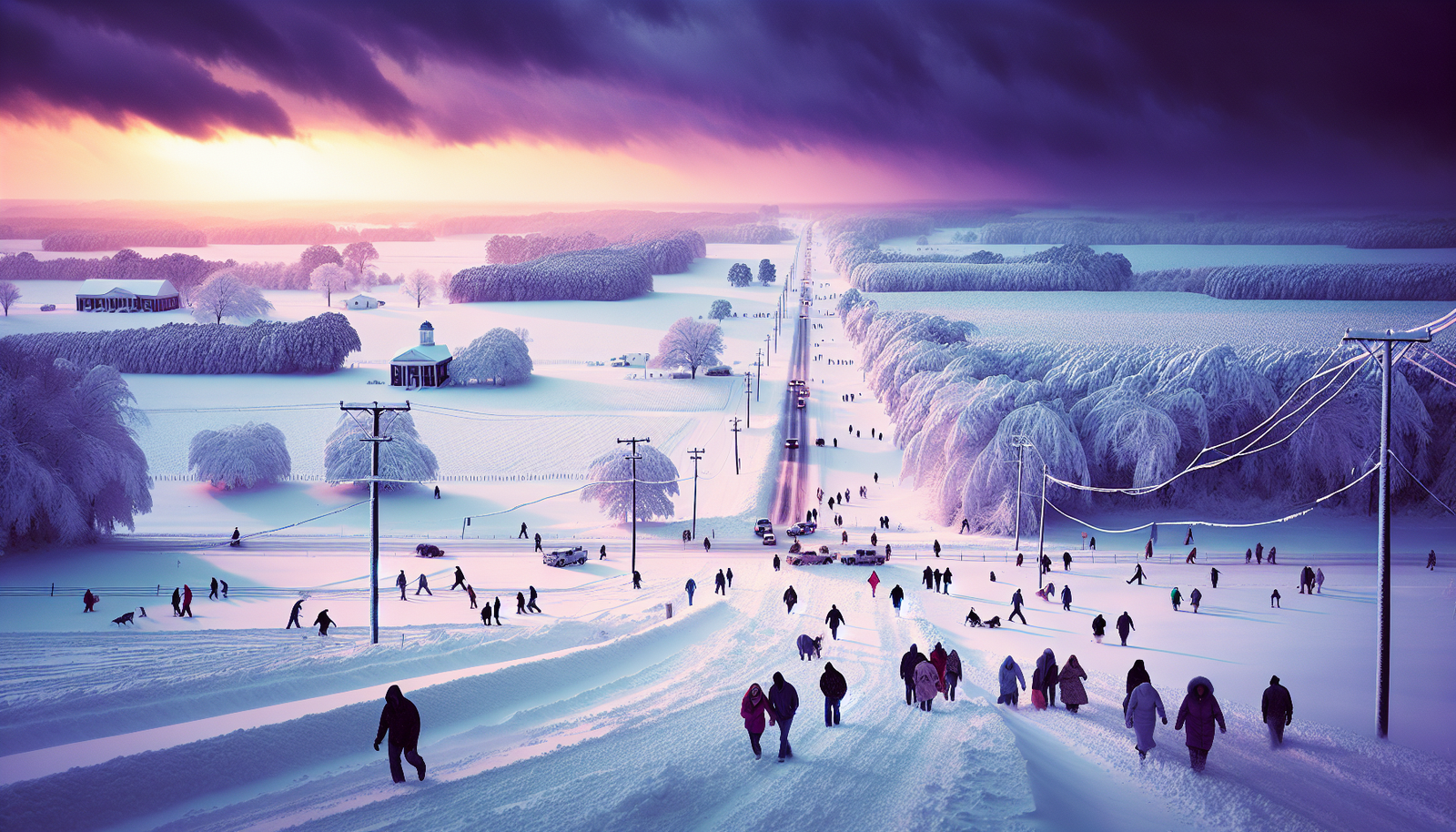
When Snow Reaches the Sun Belt: Navigating a Powerful Southern Snowstorm
A rare winter storm blankets southern states, new subzero temperatures bite at the margins of winter, and communities scramble to adapt to travel disruptions, icy roads, and unexpected cold snaps.
What happened and where
In recent days, a powerful winter storm has moved into parts of the southern United States, delivering heavy snowfall, icy conditions, and temperatures that drop below freezing in areas unaccustomed to subzero wind chills. While snow is not unheard of in places like Texas, Oklahoma, Louisiana, Mississippi, Alabama, Georgia, and parts of the Florida Panhandle, the current storm is notable for its breadth and intensity. Roads have become slick and treacherous, airports have reported delays and cancellations, and several cities have opened warming centers as residents cope with outages and fuel shortages in some regions.
As reported by Nampa and other outlets, the storm has triggered weather advisories that extend beyond a single state, affecting interstates, rural highways, and local streets alike. For travelers planning trips in the coming days, the message from meteorologists is clear: expect rapid changes in road conditions, consider delaying nonessential travel, and stay informed with official briefings.
Why a southern snowstorm is unusual
The South’s climate is dominated by mild winters and, historically, limited large-scale snow events. What makes the current storm remarkable is the meteorological setup: a strong polar air mass plunging southward from Canada collides with moisture moving up from the Gulf of Mexico. When cold air interacts with this moisture, it can produce heavy snowfall bands even in regions not built to handle frequent snow. Add gusty winds, subfreezing temperatures, and persistent freezing drizzle, and you have a winter system that can cripple communities not equipped for sustained winter weather.
With climate patterns shifting over time, southern states—some of which have minimal snow removal infrastructure or sparse winter-weather experience—face a higher risk of prolonged disruptions. Power grids in parts of the region can strain under peak demand for heating, while logistics networks adjust to icy corridors and slower commute times. While this storm is temporary, its effects reveal vulnerabilities that planners and residents will need to address in the years ahead.
Impacts on travel and daily life
Travel disruptions have emerged as the storm’s most visible consequence. Here are some of the typical impacts communities are experiencing:
- Road conditions deteriorating from icy patches to whiteout snow, leading to accidents and closures on major corridors as well as rural routes.
- Airport delays and cancellations due to weather and de-icing needs, with many flights rerouted or canceled in southern hubs that rarely experience heavy snowfall.
- Broken schedules at schools, businesses, and government offices, with some districts moving to remote learning or adjusting calendars to make up for lost days.
- Temporary power outages as demand for heating spikes and weather events test grid resilience in parts of the region.
- Supply chain hiccups, including intermittent shortages of ice-melt products, fuel, and groceries in affected communities.
For residents who left home for work or travel, the storm has forced last‑minute changes and, in many cases, the decision to shelter in place. Those with elderly relatives, small children, or medical needs should consider additional precautions, as access to care can be disrupted by closures or delays in transit.
Staying safe during the storm
The most important advice is practical: stay home if you can, and prepare to endure several days of cold weather with limited mobility. If you must go outside, limit exposure to the cold and dress in layers. Here are essential safety steps to keep you and your household secure:
- Layer clothing and wear insulated, waterproof outerwear. Don’t forget hats, gloves, and warm socks; extremities are particularly vulnerable to frostbite.
- Keep indoor temperatures at a comfortable but safe level. If energy costs are a concern, practice energy-saving habits like closing doors to unused rooms and layering rather than turning up the heat excessively.
- Maintain heat sources safely. If you’re using space heaters, keep them at least three feet away from anything flammable, never leave them unattended, and ensure proper ventilation to avoid carbon monoxide buildup.
- Protect pets and plants. Bring outdoor animals indoors if possible, provide sheltered, dry bedding, and ensure pets have access to unfrozen water.
- Never run generators, grills, or camping stoves indoors. Use them only in well-ventilated areas to prevent carbon monoxide poisoning.
- Watch for icy sidewalks and driveways. Salt or sand walkways to reduce slips, and consider footwear with good traction when you must leave the house.
- Check on neighbors, especially seniors or individuals with limited mobility. A quick check-in can prevent dangerous situations from going unnoticed.
What to do now and in the coming days
Even if you are not in an immediate danger zone, the forecast suggests more cold air and potential snow bands could linger into the next 24 to 72 hours. The coming days are a time to ready your home, vehicle, and routine for cold weather and possible disruptions:
- Stock essential supplies: a three‑day to one‑week supply of water, nonperishable foods, medications, and a first-aid kit. Include batteries, flashlights, and a weather radio if you have one.
- Charge devices and keep portable power banks full. Ensure your car battery is in good condition if you must drive during a thaw–freeze cycle.
- Winterize your vehicle: check antifreeze levels, tires with good tread, and ensure you have a working ice scraper and snow brush. Keep a small emergency kit in the car with a blanket, extra clothing, and a flashlight.
- Plan for warming centers if you lose heat. Local governments and nonprofits often set up centers to provide heating, food, and safety during prolonged outages.
- Stay informed via official sources. Weather services, state transportation departments, and local news provide timely advisories on road conditions, closures, and weather updates.
Recovery and resilience after the storm passes
Once the snow and cold subside, communities shift into recovery mode. That means clearing roads, restoring power, and assessing damage to homes and infrastructure. Some of the early focus areas include:
- Priority plowing to reopen major arteries, hospitals, and supply routes, followed by residential streets.
- Power restoration crews working around the clock, prioritizing outages that affect health facilities, critical infrastructure, and heavily populated areas.
- Inspection and safety checks for homes and businesses, looking for burst pipes, ice dams, and electrical hazards after periods of heavy snow and freezing temperatures.
- Public health messaging about the risks of prolonged exposure to cold and the importance of staying hydrated and nourished during recovery.
What this storm means for the South in the broader context
While the current event is a temporary meteorological blip, it prompts broader reflections on how southern communities plan for and adapt to winter weather. The following themes are likely to shape conversations in the weeks ahead:
- Infrastructure readiness: Road crews, de-icing capabilities, and reliable fuel supply chains need to be prepared for rare, high-impact events that stress systems ill-suited for heavy snowfall.
- Public communication: Clear, timely information helps residents decide when to travel, where to seek shelter, and how to access essential services.
- Energy resilience: The storm highlights how heating demand interacts with grid reliability. Investments in weatherization, grid upgrades, and emergency power can reduce the risk of outages during cold snaps.
- Community support networks: Volunteer groups, faith communities, schools, and local governments often mobilize quickly to deliver meals, warm spaces, and transportation for those with urgent needs.
Where to get reliable information
In rapidly changing weather situations, rely on authoritative sources for updates. Useful places to check include:
- National Weather Service local offices and their forecasts, warnings, and radar updates.
- State Department of Transportation advisories for road closures, detour routes, and traffic schedules.
- Local government social media accounts and emergency management offices for shelter locations and heat‑and‑power recovery information.
- National, state, and local news outlets for situation summaries and practical guidance on safety and travel.
- For a sample report on the current southern snowstorm, you can refer to a recent update from Nampa: read more here.
Bottom line
Snow in the sun belt is a reminder that weather is inherently unpredictable and that communities must prepare with flexibility and resilience. While southern states are not accustomed to prolonged winter events, the current storm tests infrastructure, emergency services, and the everyday routines of families. The best response is simple and universal: stay informed, stay safe, and support neighbors who may be more vulnerable during cold snaps and travel disruptions. By planning ahead and learning from this event, communities can reduce risk and speed recovery should another winter storm arrive in the future.