Understanding the January 2026 Partial US Government Shutdown: Causes, Impacts, and What Comes Next
Executive summary
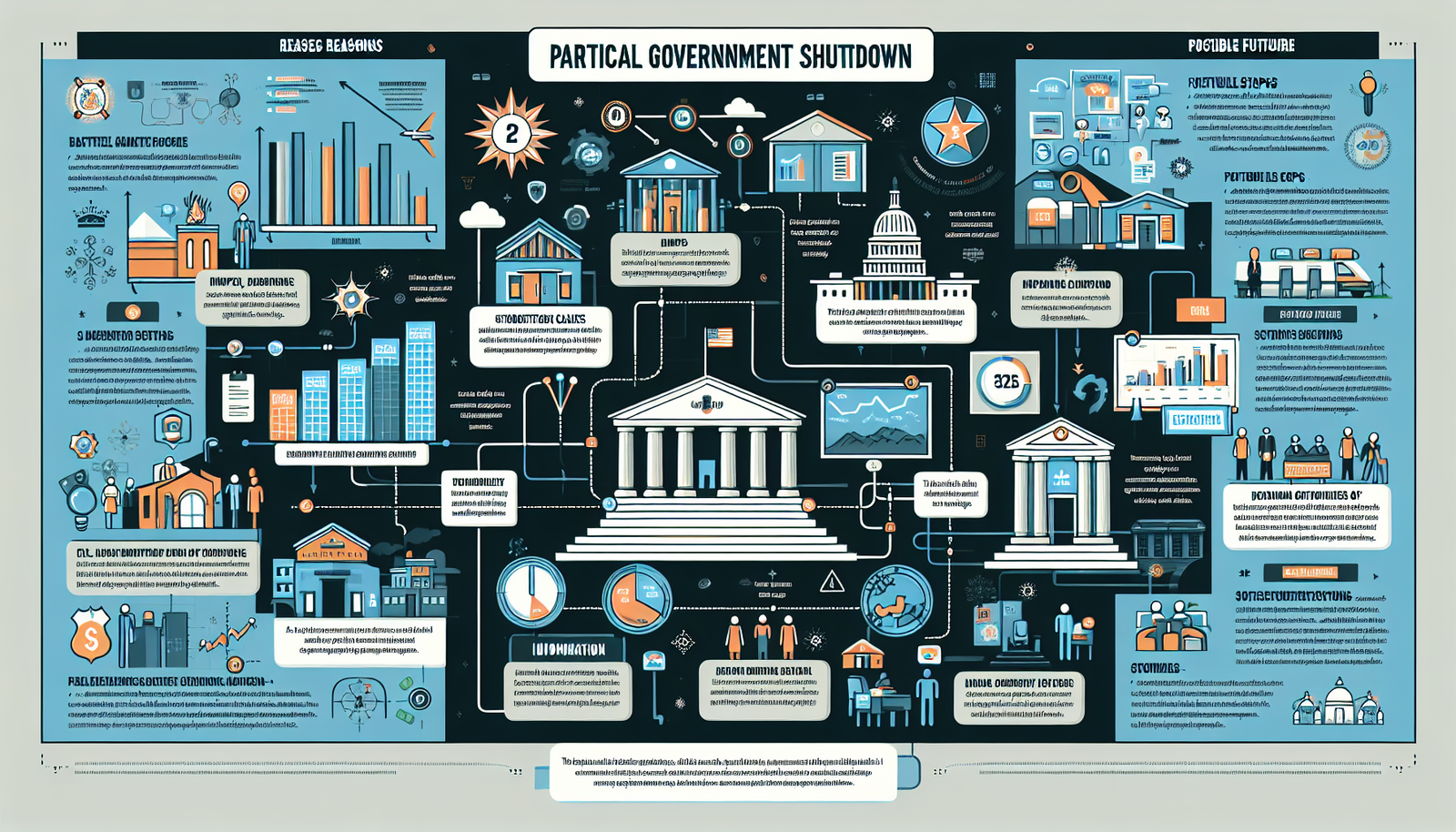
A partial U.S. government shutdown, triggered by a failure to pass a 2026 federal budget, would suspend non‑essential government operations while continuing funding for essential services. This post examines what such a shutdown could look like, why budget gridlock leads to a shutdown, and the potential consequences for federal workers, businesses, and American households. While this analysis refers to discussions reported around January 31, 2026, the specifics of any real-world outcome depend on enacted legislation and ongoing negotiations.
What is a government shutdown—and how does a partial one differ?
A government shutdown occurs when Congress fails to approve funding legislation that would keep federal agencies operating for the new fiscal year. Without annual appropriations or a continuing resolution (CR) extending current funding, federal agencies must halt non‑essential activities. A partial shutdown is possible when essential operations—like national security, emergency response, and some Medicare and Social Security programs—continue to receive funds, while many other functions pause. The result is a mix of resumed critical services and suspended non‑core activities.
In practice, the exact mix of paid vs. furloughed employees, the duration of the shutdown, and the scope of impacted programs depend on the funding gaps created by the failure to pass a budget and any temporary funding measures lawmakers may adopt while negotiations continue.
Why budget gridlock leads to a shutdown
The federal budget process hinges on a long-established cycle: Congress must pass 12 annual appropriations bills or a comprehensive CR to fund the government for the new fiscal year (which begins October 1). When there is disagreement over spending levels, policy riders, or new programs, lawmakers may postpone passage or refuse to approve funding. If no funding measure is enacted by the deadline, non-essential government activities cease and a partial or full shutdown can ensue.
In recent decades, shutdown pressure has often peaked in the weeks leading up to October 1, with last-minute talks producing temporary CRs or targeted fixes. A January 2026 shutdown would imply that the 2026 budget fight extended well into the new year, potentially creating a funding gap that disrupts a broad swath of government operations while leaving critical services intact.
What would stop and continue during a partial shutdown?
The essential question is which activities are deemed essential and which are non‑essential. Historically, operations related to national security, public safety, continuity of government, and health protection continue. This can include:
- Defense and national security programs
- Law enforcement and emergency response capabilities
- Public health protection and safety nets that are funded by mandatory programs
- Air traffic control, border security, and other critical infrastructure functions
- Support for veterans and certain veterans’ benefits
Conversely, many non‑essential activities can pause, including national parks, museums, grant funding for research, non‑urgent administrative tasks, and some internal agency services like routine processing of papers and forms. The duration and scope of pauses depend on which agencies face funding gaps and how long the disagreement lasts.
Immediate impacts on federal workers and services
A shutdown typically affects tens or hundreds of thousands of federal employees who are furloughed or required to work without pay. While some workers—such as those in safety‑critical roles—continue to work, many federal employees experience unpaid leave, delaying paychecks and complicating household budgeting. Some contractors relying on federal funding can also feel the tremors of uncertainty as obligations are paused or delayed.
Beyond payroll, a partial shutdown can slow or halt a wide range of services. Passport processing, visa applications, and certain tax administration functions may be delayed. National parks, museums, and wildlife refuges could close or restrict access, affecting tourism, local economies, and adjacent communities. Grants for research and community development projects may stall, delaying important progress in science and public welfare.
Economic and market implications
The economic fallout from a partial shutdown depends on duration and the scope of affected programs. Investors, businesses that rely on government contracts, and consumers may react in several ways:
- Short-term volatility in financial markets as uncertainty rises
- Delays in government spending that may slow GDP growth for the quarter
- Potential disruptions to government services that support commerce, such as processing of permits, licenses, and regulatory approvals
- Impact on government data releases and statistical reporting, which can affect business planning and economic decisions
Historically, even brief funding gaps can ripple through the economy because many programs, from housing assistance to federal research grants, depend on timely appropriations. The net effect on households depends on how long the shutdown lasts, whether emergency funding is enacted, and how quickly Congress resolves the budget stalemate.
What happens next: timeline and potential resolutions
When a shutdown looms, several paths may emerge. Lawmakers could exchange a temporary continuing resolution to fund government through a short window while negotiations continue. They might pass a targeted bill to fund already‑operational programs or restore specific services, buying time for broader negotiations. Alternatively, a longer CR or a full budget agreement could avert a longer shutdown, though such outcomes depend on political dynamics and policy compromises.
If a funding bill is not enacted, the President and Congress must work toward a deal that both sides can accept. The process involves leadership negotiations, committee reviews, and potential concessions on priorities such as defense spending, domestic programs, or tax provisions. The speed of resolution influences how quickly furloughed workers return to duty and how soon services resume.
How individuals and businesses can prepare
For federal employees and contractors, understanding your pay and benefits is crucial. If you are furloughed, you should track official guidance from your agency and the Office of Personnel Management. Some workers may face delayed pay during a shutdown and should plan budgets accordingly. For those outside government, the uncertainty can affect hiring, grant timelines, and regulatory approvals.
Businesses that work with the federal government should monitor contract funding, bid opportunities, and regulatory timelines. Small businesses applying for SBA loans, federal grants, or permitting could see delays. Individuals who rely on federal programs—housing assistance, student loans, or healthcare subsidies—should stay in touch with program administrators to understand any changes in eligibility or disbursement schedules.
In practical terms, the best preparation includes building an emergency budget, maintaining a reserve for essential expenses, and staying informed through credible outlets rather than social media chatter. Always verify official agency communications for the most accurate, up-to-date guidance.
Historical context: past shutdowns and lessons learned
The United States has faced government funding standstills before, most notably in 1995‑1996 and in late 2018‑2013. Those episodes demonstrated that shutdowns are costly in both immediate disruptions and longer‑term political consequences. They often reveal fault lines in budget priorities, force last‑minute negotiations, and highlight the importance of a functioning budgetary process for the stability of public services and investor confidence.
While each shutdown has unique causes, the pattern remains consistent: the more time agencies spend without certainty, the greater the disruption to the public and the more pressure lawmakers feel to reach a compromise. The duration of a shutdown matters as much as its starting point because longer gaps amplify economic and social costs.
What readers should watch for now
If you are following this story, here are practical indicators to monitor:
- Official statements from the White House and congressional leadership about funding bills and proposed CRs
- Acknowledgments of which agencies are funded and which are not funded beyond a temporary period
- Schedules for agency payroll, benefit disbursements, and critical service levels
- Dates and details of any upcoming votes on funding measures or emergency bills
- Updates from credible media outlets and government portals
In a fluid political environment, information can change quickly. Rely on official sources for the most reliable guidance and use reputable outlets for context and analysis. This post will be updated as new information becomes available.
Final thoughts
A partial government shutdown is not merely a political standoff; it has real consequences for families, workers, and the broader economy. The resilience of essential services depends on timely funding and effective contingency planning. While such events highlight the need for durable budget processes, they also remind individuals and businesses to plan for uncertainty and to stay informed through trusted channels.
If you found this explainer helpful, consider subscribing for future updates on fiscal policy, budget negotiations, and the impacts of government funding decisions on everyday life. For ongoing coverage, you can also review the linked source from Dynamite News and follow their updates as the situation unfolds.