
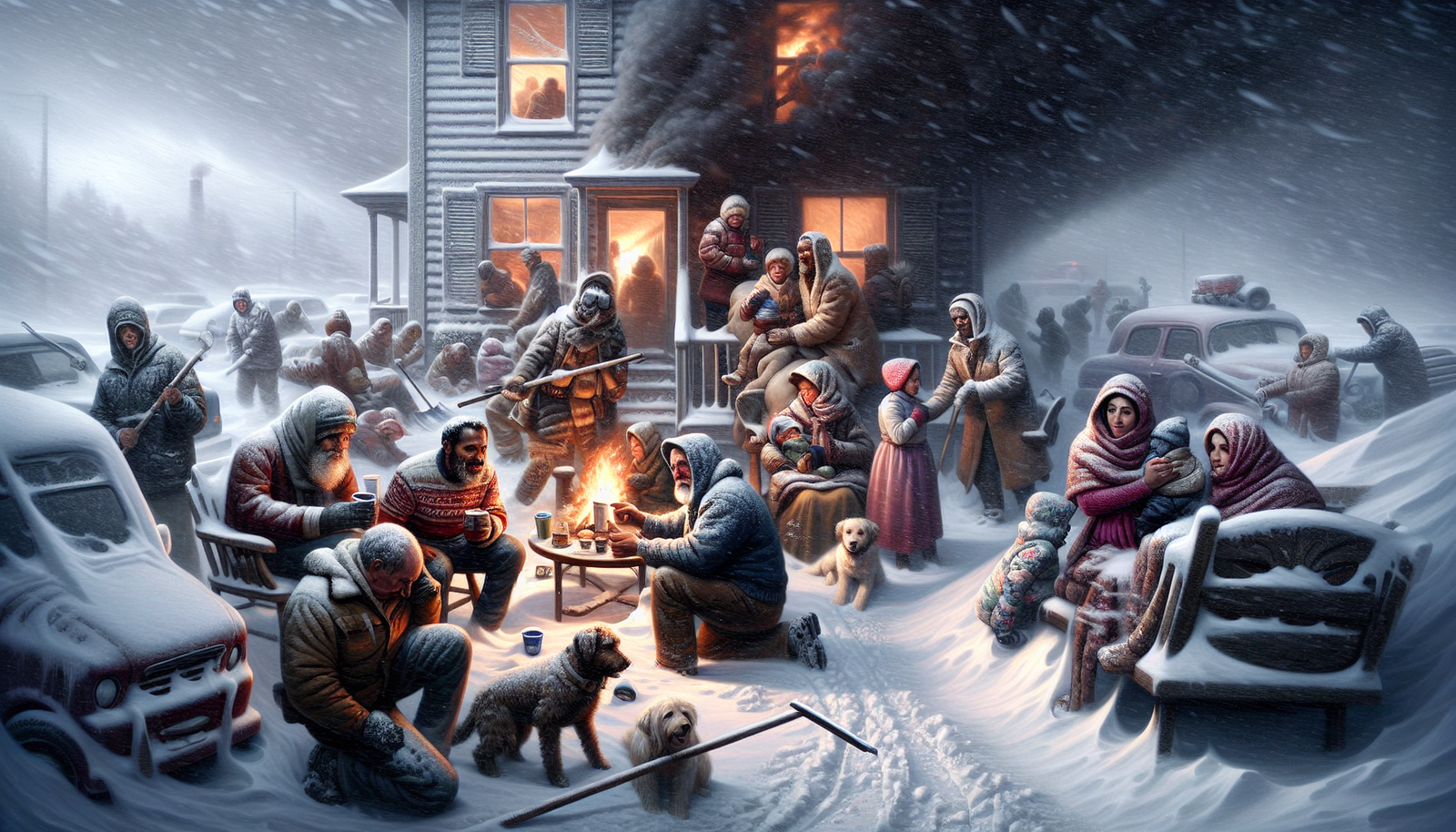
Southern Snowstorm: Surviving Subzero Temperatures and Travel Disruptions
Report date: current; Updated as new information becomes available. Source: local weather alerts and reputable agencies.
Overview: A powerful winter storm sweeps across the southern United States
A rare and powerful snowstorm has blanketed portions of the southern United States, bringing subzero temperatures and widespread travel disruptions. Regions unaccustomed to heavy snowfall and icy road conditions are facing a double challenge: icy infrastructure and sudden cold snaps that can strain home heating systems. While the most visible impact is on roads, airports, and schools, the storm also poses risks to vulnerable populations, including seniors, people with chronic illnesses, and those without reliable heating. Weather services have issued alerts and advisories across multiple states as arctic air moves south from Canada and collides with Gulf moisture, producing snowfall, ice, and gusty winds.

Impacts on communities and daily life
The snowstorm has led to several concrete disruptions that families, workers, and travelers should understand and plan around:
- Road closures and hazardous driving conditions: Icy bridges, reduced visibility, and slick highways have slowed commutes and stranded motorists. Even cities accustomed to light flakes can see significant traffic chaos when temperatures plunge below freezing for extended periods.
- Flight delays and cancellations: Departures, connections, and arrivals at smaller regional airports may be most affected, with backlogs extending into next-day operations in some hubs.
- School and business closures: Districts may shutter campuses for safety while outages force businesses to adjust operations or temporarily shut down.
- Power outages and heating strains: Cold snaps drive energy demand, and aging infrastructure can falter under the load, resulting in outages that intensify the risk of frozen pipes and damaged appliances.
- Supply chain hiccups: Salt, sand, and other winter supplies can run low during peak demand, affecting road crews and grocery stores alike.
In rural counties, disruption may be more pronounced due to limited public transit and longer response times for emergency services. Urban areas may experience more rapid traffic jams and longer wait times for utilities and repair crews. Regardless of location, the storm serves as a reminder that severe winter weather can reach far beyond typical winter zones and require a heightened level of preparedness.
Safety guidelines: How to stay safe during subzero cold and travel disruptions
For drivers and travelers
- Check weather updates frequently through official channels: National Weather Service (NWS), local government alerts, and reputable news outlets.
- If you must drive, inform someone of your route and expected arrival time. Keep your gas tank above half-full to avoid fuel-line freezing and to ensure you can run the engine for warmth if stranded.
- Carry an emergency roadside kit: blankets, extra warm clothing, non-perishable snacks, water, a first-aid kit, a flashlight with fresh batteries, a portable phone charger, jumper cables, traction aids, and a small shovel.
- Drive slowly and leave extra space between vehicles. Bridges and overpasses freeze first and can be especially slick.
- If conditions become dangerous, find a safe place to pull over and wait for help or weather to improve. Do not overexert yourself trying to clear ice without proper equipment.
For homeowners and renters
- Protect pipes from freezing: Allow a slow drip from faucets, open cabinet doors under sinks to expose warmer room air, and know where your main water shutoff is located in case a pipe bursts.
- Keep your thermostat at a steady, safe temperature. Avoid setting it very low at night, which can lead to frozen pipes and more expensive repairs later.
- Prepare a home emergency kit: flashlights, batteries, a battery-powered radio, extra blankets, a first-aid kit, non-perishable food, and water for several days.
- Check heating equipment and vents for proper operation. If you use space heaters, ensure they have a stable base, keep them away from combustibles, and never leave them unattended.
- Charge devices and have backup power options. A portable power bank can be a lifesaver during outages when cell service may be limited.
Preparation: Steps to take now and in the future
While the storm is affecting the present, proactive planning can mitigate risk in future events. Here are practical steps for households and businesses:
- Create a winter emergency plan with family members or co-workers. Identify meeting points, charge contact lists, and designate a “storm buddy” for check-ins if you live alone.
- Stock a weather-ready kit for the home and car. For the home: water (one gallon per person per day), non-perishable food, manual can opener, flashlight, batteries, a portable radio, a warm blanket for each person, and extra clothing. For the car: a basic kit plus ice scraper, small shovel, compact jumper cables, sand or cat litter for traction, and a reflective warning triangle.
- Review your insurance coverage. Winter weather can cause water, ice, or wind damage that falls under homeowners, renters, or business policies. Knowing your coverage helps you act quickly after an event.
- Prepare an energy plan. If you rely on a heating source that could be disrupted, have a backup plan such as a neighbor’s place, a community shelter, or a hot-zone facility.
- Develop a communication plan for schools and workplaces. When closures or delays occur, clear messaging helps families adjust schedules without confusion.
For communities and local governments, pre-storm readiness includes maintaining road salt stockpiles, pre-treating bridges where feasible, and coordinating mutual aid with neighboring districts to maintain essential services during outages.
What to expect as the system evolves
Forecasts indicate the possibility of lingering cold snaps even after the snowfall tapers off. Subzero temperatures can persist overnight and into the early morning hours, complicating ice melting and road clearing efforts. Even when the sun returns, cold air routinely traps moisture near freezing points, creating a cycle of re-freezing on untreated surfaces. Residents should stay tuned to local advisories and be prepared for temporary changes in travel plans or school calendars in the days ahead.
In many southern states, the storm will move faster than typical winter storms due to the region’s comparatively lighter winter precipitation infrastructure. This means road crews may need to respond rapidly to scattered slick spots, while residents adapt to sudden temperature swings. The most important step remains simple: stay informed, stay safe, and avoid unnecessary travel whenever road conditions are questionable.
Community resilience and resources
During severe winter weather, local communities often rally to provide support. Schools may offer virtual learning days, libraries and shelters can serve as warming centers, and volunteer organizations may coordinate check-ins for seniors and homebound residents. If you are in a position to help, consider donating blankets, warm clothing, or non-perishable foods to nearby shelters or faith-based organizations. If you or someone you know lacks access to reliable heating, contact your local emergency management office for guidance on safe housing options and available resources.
Official sources and safety resources
Always rely on authoritative sources for weather updates and safety guidance. Useful resources include:
- National Weather Service (NWS) and local Weather Forecast Offices
- Federal Emergency Management Agency (FEMA) for disaster preparedness tips
- Your city or county emergency management office for local alerts and shelter information
- State transportation departments for road conditions, closures, and advisories
For ongoing updates, bookmark the official pages of the NWS, Federal and state emergency management agencies, and trusted local news outlets. A steady stream of accurate information helps you make safer decisions for you and your family during a southern snowstorm.