
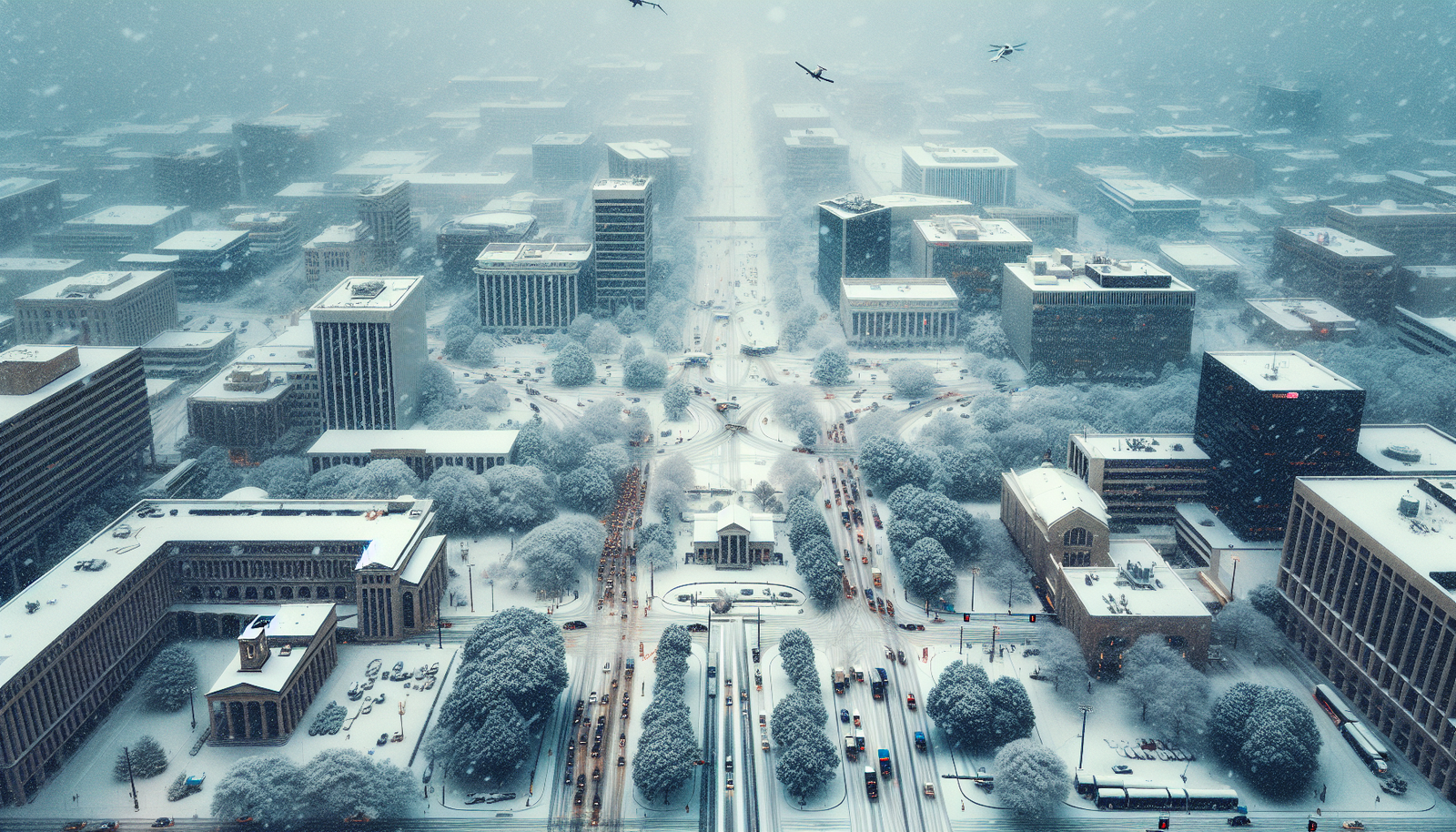
Southern Snowstorm Slams the South: Travel Disruptions and Subzero Temperatures
A powerful winter storm sweeps across southern states, delivering surprise snowfall, icy roads, and record-breaking cold. From Texas to Georgia, travelers face delays, schools cancel, and emergency crews respond. This post provides a clear snapshot of what happened, what to expect, and practical safety tips.
Overview: A Rare Winter Storm in the Southern United States
While the northern tier of the country braced for heavy snow, a potent low-pressure system migrated southeastward, bringing a swift shot of wintry precipitation to parts of the Deep South and southern plains. Many communities woke to snow-covered roads and subzero overnight low temperatures that surprised residents who aren’t typically exposed to arctic air. In some pockets, snowfall accumulations of several inches mixed with sleet created complex driving conditions and lingering ice on bridges and untreated surfaces. Forecasters warned that temperatures could stay well below freezing through the day and into the night, with brisk winds driving wind chills even lower. Local officials urged residents to prepare for rapid changes in road conditions as this storm interacts with warm southern air and moist Gulf moisture, a combination that often produces unpredictable accumulations and hazardous conditions.
News outlets and emergency management offices, including local reporting linked here for context, have documented travel slowdowns, temporary airport delays, and school and business closures as the storm moved across the region. The coverage note you may have seen from local outlets (including updates posted to Nampa coverage) underscores how communities are handling everything from salt distribution to the sheltering of residents without reliable heat. While the exact impact varies by locale, the common thread is a sudden disruption to normal routines and a shared emphasis on safety and preparedness.
Impacts on Travel, Power, and Daily Life
The storm’s reach is wide enough to affect multiple daily routines at once. Travelers reported enduring delays at regional airports as crews worked to de-ice planes and resurface runways after snowfall and ice. Major highways and interstates in affected corridors faced intermittent closures or restrictions, with authorities advising motorists to avoid unnecessary travel and to chain up or use winter tires where possible. Freight and delivery networks also felt the pinch, as winter weather slowed shipments and forced rerouting around problem areas. Communities are coordinating shelter and heating centers for residents without power or reliable heat, while utility crews respond to outages caused by ice and downed lines. Schools and local governments announced closures or delays as soft- and hard-freeze warnings remained in effect during the coldest part of the day.
On the ground, residents found themselves navigating a mix of sleet, wet snow, and freezing rain, depending on location and elevation. In some districts, temperatures fell below zero overnight, turning sidewalks and roads to dangerous ice and complicating the task of keeping homes warm. Emergency management officials emphasized the importance of checking on neighbors—especially seniors, people with disabilities, and households without reliable heat—while keeping emergency supplies like bottled water, non-perishable foods, and extra blankets within easy reach. Local hospitals and clinics prepared for increased demand due to respiratory irritation and cold-related injuries, with advisories to seek care for more serious symptoms if needed.
To put it in perspective, the southern states rarely experience prolonged cold snaps, and many towns lack the infrastructure to quickly adapt to sudden snow and ice. That’s why even a few inches of snow can cause cascading disruptions: slower traffic leads to longer travel times, which in turn affects work, schooling, and supply chains. For families with young children or older relatives, the disruption demands careful planning and flexibility. It’s also worth noting that rural areas can face longer response times from emergency services when weather slows travel and reduces visibility. The net effect is a community-wide ripple effect that requires thoughtful, calm decision-making and reliance on trusted information sources.
Safety Tips for Navigating a Southern Snowstorm
- Before you travel, check your local weather forecast and road conditions. Use official channels like state Department of Transportation (DOT) advisories, regional weather offices, and reputable news outlets to assess risk in real time.
- Limit nonessential travel. If you must go out, inform someone of your route and expected arrival time. Keep your phone charged and carry a portable charger.
- Prepare your vehicle: clear all ice and snow from windows, headlights, and mirrors; ensure your tires have sufficient tread; keep a full gas tank; carry traction aids, a small shovel, blankets, and a flashlight.
- In heavy snow or icy conditions, reduce speed, increase following distance, and avoid sudden braking or sharp turns. If you begin to skid, steer gently into the direction you want to go and avoid slamming on the brakes.
- If you’re stranded, stay with your vehicle. Run the engine for heat sparingly, clear snow from around the exhaust pipe to prevent carbon monoxide buildup, and wear warm clothing. Keep emergency supplies accessible in the car, including water, nonperishable snacks, and a first-aid kit.
- Check on vulnerable neighbors, including the elderly and those with chronic illnesses, who may need extra warmth and assistance during cold snaps.
What to Expect Next: Forecast and Preparation
Forecasts in the wake of this storm indicate that subzero temperatures and bitter winds could persist through at least the next 24 to 72 hours in many locations. While precipitation may wane in some areas, leftover ice can linger on bridges, overpasses, and untreated surfaces, creating a renewed risk of travel delays each morning and evening commute. Snow accumulation in the hardest-hit pockets may not be uniform, with some towns seeing light dustings and others reporting several inches, particularly on elevated terrain or near the northern edge of the storm’s footprint.
Residents should stay tuned to official updates for any changes to school schedules, power restoration estimates, and road status. Utility crews will continue to clear lines and restore outages as weather permits, which can take longer in rural regions or areas with extensive ice buildup. People should prepare for additional cold spells, which often follow winter storms as air masses move in from the north. If a secondary wave of cold air arrives, it can temporarily intensify wind chills and complicate efforts to stay warm indoors.
Practical steps for households include reviewing your emergency plan, stocking a few extra days’ worth of medications, fuel, and groceries, and ensuring your heating system has been recently serviced. For drivers, the reminder remains: if you don’t need to travel, don’t. If you must go, check the road conditions along your route, tell someone where you’re headed, and give yourself plenty of time to arrive safely. Local airports may reopen gradually as de-icing operations resume, so travelers should monitor airline advisories and be flexible with plans.
How to Stay Informed
Reliable, up-to-date information is essential during rapidly changing winter weather. Consider the following sources as you track developments and make decisions:
- National Weather Service (NOAA) and local Weather Forecast Offices for warnings, watches, and forecast updates: https://www.weather.gov/
- State Department of Transportation (DOT) updates for road conditions, closures, and detour information. Check your state’s official DOT site or credible local outlets.
- Airlines and airports for flight waivers, delays, and gate changes. Use official airline apps or airport pages for the latest status.
- Local emergency management offices for shelter locations, heating centers, and preparedness tips specific to your community.
- Reputable local news outlets for real-time reporting on school closures, power outages, and transportation updates.
When consuming weather information, cross-check multiple sources and be wary of rumors spreading on social media. Look for statements from official agencies or trusted local authorities to guide your decisions. If you’re sharing information from social channels, verify it with a primary source before acting on it.
Resources and References
Useful official resources to bookmark during winter storms:
- NOAA and the National Weather Service (NWS) for nationwide advisories and forecast maps.
- Weather.gov for local forecast offices and alerts.
- FAA for travel advisories and airport operations.
- Local emergency management and your state DOT for road conditions and shelter locations. Always use official channels for the latest updates.
- For the local coverage you referenced, see the linked report at Nampa coverage.