
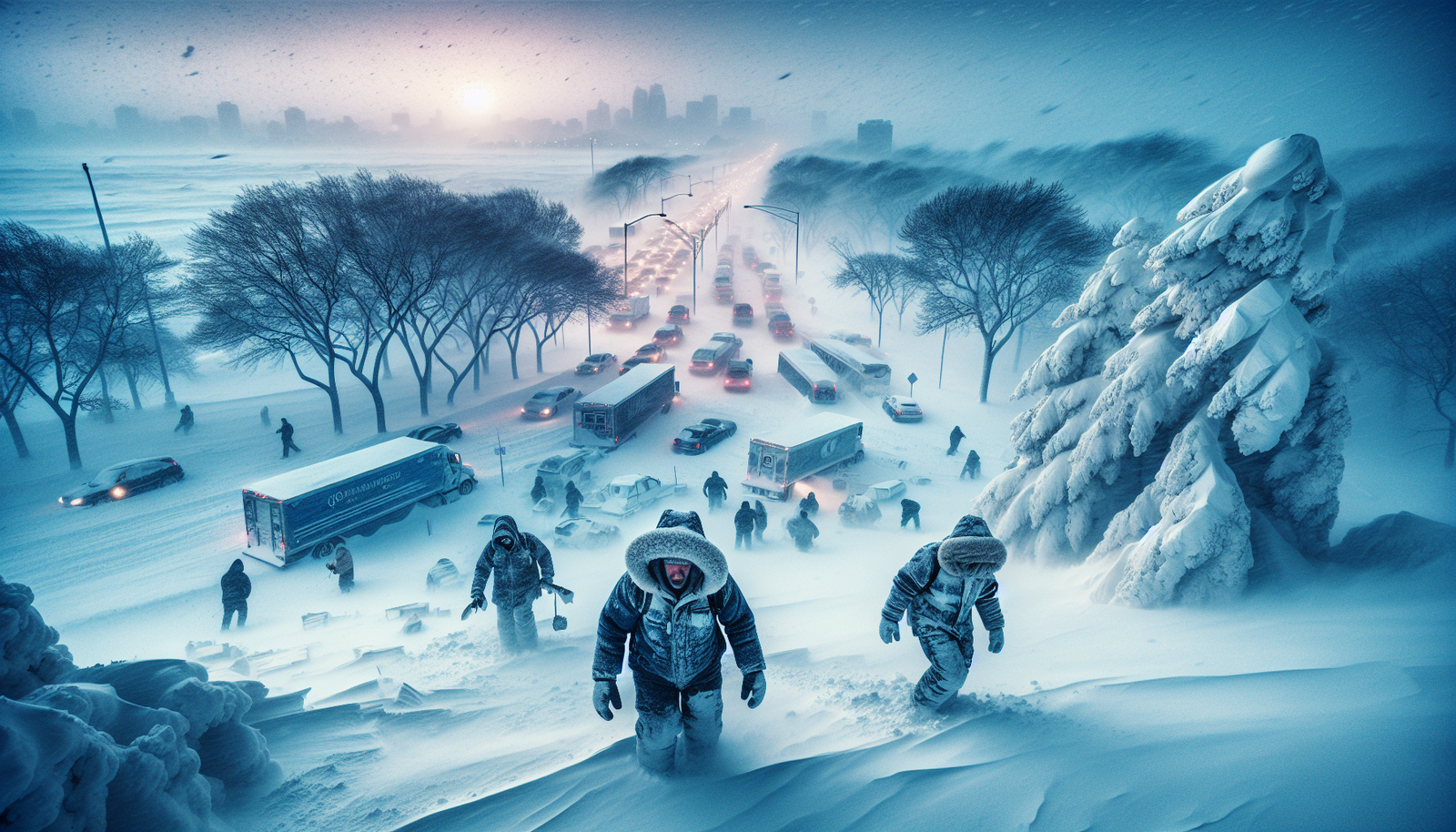
Powerful Snowstorm Hits the Southern U.S.: Travel Disruptions and Subzero Temperatures
A powerful snowstorm swept across the southern United States, delivering snowfall and subzero temperatures to areas unaccustomed to winter storms. The blast disrupted travel, forced school and business closures, strained power grids, and left residents planning for days of cold weather ahead. While some communities saw a light dusting, others reported several inches of snow, icy roads, and dangerous wind chills. As authorities issue travel advisories and weather services issue warnings, this guide breaks down what happened, how it’s affecting daily life, and practical steps you can take to stay safe and prepared.
For the latest information, check official sources such as the National Weather Service (NWS) alerts and your local emergency management office. For reference to recent reporting on this event, you may also review local coverage such as the report linked here: Nampa article.
What makes this storm different for the South
Snowstorms reaching far into the southern states are relatively uncommon, and many communities lack the infrastructure typical of colder regions. A potent cold air mass plunges southward and collides with moist air from the Gulf of Mexico, generating rapid snowfall and sleet in some areas and freezing rain in others. The combination can create an invisible ice glaze, making roads deceptively slick and hazardous. Because southern states often rely on milder winters, many schools and businesses operate with lighter winter readiness—less salt inventory, fewer snowplows, and limited heating capacity—so even modest accumulations can cause significant disruption. Forecasters warn that the cold may persist for several days, prolonging travel delays and increasing the risk of hypothermia for those exposed to the elements without adequate protection.
How this storm is impacting travel and daily life
Travel disruptions have been the most visible consequence of the storm. Airports experience flight delays and cancellations; highways become treacherous; and public transit systems adjust schedules or suspend service as crews work to clear roads and maintain safety. Beyond transport, people are dealing with power outages, school closures, and interruptions to daily routines. Typical impacts include:
- Air travel: Cancellations and delays can extend for days in severe cases. If you must travel, monitor airline updates and plan for longer connections or alternative routes.
- Ground transportation: Major corridors may be restricted or closed due to accidents or ongoing plowing operations. Detours and road closures are common as crews work to treat surfaces.
- Public transit: Buses and trains may run on altered schedules or be suspended in affected areas, particularly in cities with limited winter maintenance capacity.
- Automotive safety: Even a light snowfall can result in icy patches. Drivers should slow down, increase following distance, and avoid abrupt maneuvers on slick roads.
- Businesses and schools: Delays and closures ripple through the economy and everyday life, affecting appointments, remote work, and child care plans.
Regional impacts by state (typical patterns)
While exact conditions vary by location, here is a snapshot of how a southern snowstorm commonly unfolds across states in the region. Always rely on local forecasts for the most precise guidance.
Texas
Texas often experiences a mix of snow, sleet, and freezing drizzle along with very cold air. Major metro areas such as Dallas–Fort Worth, Houston, and Austin may see ice on elevated surfaces, causing school and business closures. Interstates like I-10, I-20, I-35, and I-45 can become slowgoing as crews apply de-icer and plows battle congestion. Rural parts of West Texas and the Panhandle may accumulate more snow and endure longer wind chills. Power outages can occur when ice loads on lines and trees cause outages, especially in areas with older infrastructure.
Oklahoma
Oklahoma experiences a blend of snow and freezing rain that can create dangerous driving conditions and isolated power outages. Icy patches on I-35 and I-40 are common, and crews work around the clock to keep major routes passable. In rural areas, snowfall can accumulate more quickly, and cold temperatures in the single digits to the teens after sunset raise concerns about hypothermia for anyone stranded outside.
Arkansas
Arkansas commonly deals with sleet and freezing rain that coats bridges and hills, followed by lingering subzero wind chills. State and local agencies may close schools and delay shipments as crews treat roads and clear debris. Snow totals are typically modest in the winter, but the ice can be persistent and dangerous longer than expected, especially on secondary roads.
Louisiana
Louisiana often experiences freezing rain that creates slick roads and dangerous travel conditions for hours or days. Even light accumulations can lead to multiple-hour travel advisories. Power outages are possible when ice accumulates on lines and equipment. Urban areas may see more closures due to icing on road networks and limited winter weather response resources.
Mississippi
Mississippi may see a mix of snow and sleet with rapid freezing of surfaces once temperatures dip below freezing. Icy patches on interstates and secondary highways can lead to closures and travel advisories. Community facilities, schools, and some businesses may close as precaution and safety concerns rise.
Alabama
In Alabama, icy roads and freezing drizzle can create hazardous travel conditions, especially on bridges and overpasses. Schools and some employers may shift to remote operations or close for the day. Rural roads may take longer to clear due to limited snow removal capacity and resource constraints.
Georgia
Georgia often faces a heavy glaze in the northern counties with the potential for whiteout conditions in higher elevations. The Atlanta metro area frequently experiences more severe impacts because of high traffic volumes and the sensitivity of major corridors to icing. Local authorities issue travel advisories and encourage residents to stay put when possible.
Florida
Florida, especially the northern panhandle and northern interior, can see ice storms that are unusual for the state. Even a thin layer of ice on roads can disrupt travel and power distribution. Coastal counties may experience high winds and coastal flood risks during storms of this magnitude, though snowfall is rare in many parts of the state.
Safety tips for winter weather
Whether you’re at home or on the road, staying safe during a southern snowstorm requires preparation and calm execution. Here are practical steps to reduce risk and protect yourself and your loved ones:
- Stay informed: Monitor local forecasts, NSW/NOAA alerts, and state or city emergency management updates. Have a battery-powered radio as a backup if power is out.
- Dress for warmth: Layered clothing, waterproof outerwear, hats, gloves, and insulated footwear help prevent hypothermia and frostbite during extended exposure.
- Power outages: If you lose power, use only approved heating sources. Never use charcoal grills, generators, or gas heaters indoors due to carbon monoxide risk. Keep a supply of flashlights, batteries, and non-perishable foods.
- Driving safety: If you must travel, inform someone of your route and expected arrival time. Carry a winter safety kit in the vehicle: blankets, water, snacks, a first-aid kit, a flashlight, extra clothing, a small shovel, and traction aids. Drive slowly, keep a longer following distance, and avoid sudden braking and acceleration.
- Hydration and shelter: Even in cold weather, stay hydrated. If you are stranded, seek shelter from wind and cold, keep moving to preserve body warmth, and avoid prolonged exposure outdoors.
- Pet safety: Bring outdoor pets indoors or provide warm shelter. Ensure they have access to unfrozen water and food, and check on neighbors with pets or elderly residents who might need assistance.
Preparing for continued cold and subzero temperatures
Cold weather can persist after the storm’s heavy precipitation ends. Here are steps you can take to stay comfortable and safe in the following days:
- Keep indoor temperatures stable. Don’t rely on space heaters for long-term heating; instead, work with your home’s heating system and seal drafts around windows and doors.
- Insulate pipes: Let faucets drip during the cold to prevent freezing and consider wrapping exposed pipes in insulation sleeves to reduce the risk of bursts.
- Stock essentials: A two-week supply of non-perishable food and water is prudent, along with essential medications and a basic first-aid kit.
- Vehicle readiness: Keep your gas tank near full and maintain a basic emergency kit in your car. If you must drive, pack a winter survival kit, including a blanket, sturdy footwear, and a charged phone with portable power bank.
- Health awareness: Cold exposure increases the risk of hypothermia and frostbite. Stay dry, take breaks in warm shelter, and cover exposed skin when outdoors.
What to monitor next and when to seek help
Storms of this nature can evolve. Keep track of weather alerts and road condition reports through trusted sources like the National Weather Service, state DOTs, and local emergency management offices. Seek immediate help if you experience or witness signs of frostbite (numbness, pale or hard skin) or hypothermia (confusion, slurred speech, or inability to maintain body temperature). If you encounter a life-threatening situation, call emergency services right away.
Resources and where to find reliable information
When weather turns severe, rely on credible sources for updates and guidance. Useful references include:
- National Weather Service – official forecasts, watches, and warnings
- Ready.gov – Winter Weather Safety
- NASA Weather and Climate Resources (for broader context on storms and climate patterns)
- Your state department of transportation (DOT) or equivalent – road conditions and travel advisories
Conclusion: Prepare, stay informed, stay safe
A southern snowstorm with subzero temperatures is a stark reminder that winter surprises can happen anywhere. Even if your community does not usually see snow, it’s wise to stay prepared, maintain a household emergency plan, and adjust daily routines to keep yourself and others safe. By monitoring reliable weather updates, planning ahead for travel disruptions, dressing for cold temperatures, and following guidance from local authorities, you can minimize risk and navigate this winter storm with resilience.
For ongoing updates about this event, keep an eye on your local forecast and official advisories, and consider sharing this information with family, friends, and neighbors who may need extra support during severe winter weather.