Navigating a January 31, 2026 Partial Government Shutdown: What It Means for the U.S. and the Economy
On January 31, 2026, the United States faced a partial federal government shutdown after Congress failed to pass appropriations legislation for the 2026 fiscal year. Reports and summaries from trusted outlets, including contemporaneous coverage linked to sources like Wikipedia, describe how a funding gap can bring essential government operations to a halt and reverberate through the economy, public services, and national security. This post explains what a shutdown is, why it happens, who is affected, and what history teaches us about possible paths forward—along with practical implications for individuals, businesses, and policymakers.
What a government shutdown is and how it starts
A government shutdown occurs when Congress does not enact funding legislation for the new fiscal year, and the President does not sign continuing resolutions or appropriations bills to fund federal operations. In the United States, most agencies must operate on annual appropriations. When those funds are unavailable, agencies may furlough nonessential employees and suspend discretionary programs until a funding agreement is reached. While some essential activities—like national security, public safety, and basic health and safety services—continue, many routine services slow to a crawl or halt entirely.
The shutdown mechanism is, in simple terms, a budget stalemate turned operational crisis. The federal budgeting process involves multiple stages: the President’s budget proposal, authorization bills, and finally appropriations bills or continuing resolutions (CRs) that fund agencies at existing or modified levels. If lawmakers fail to pass those measures by a deadline, a funding gap emerges. A partial shutdown is typical when some, but not all, appropriations are enacted or when certain operations are funded by prior-year money, but new funding for other areas is blocked.
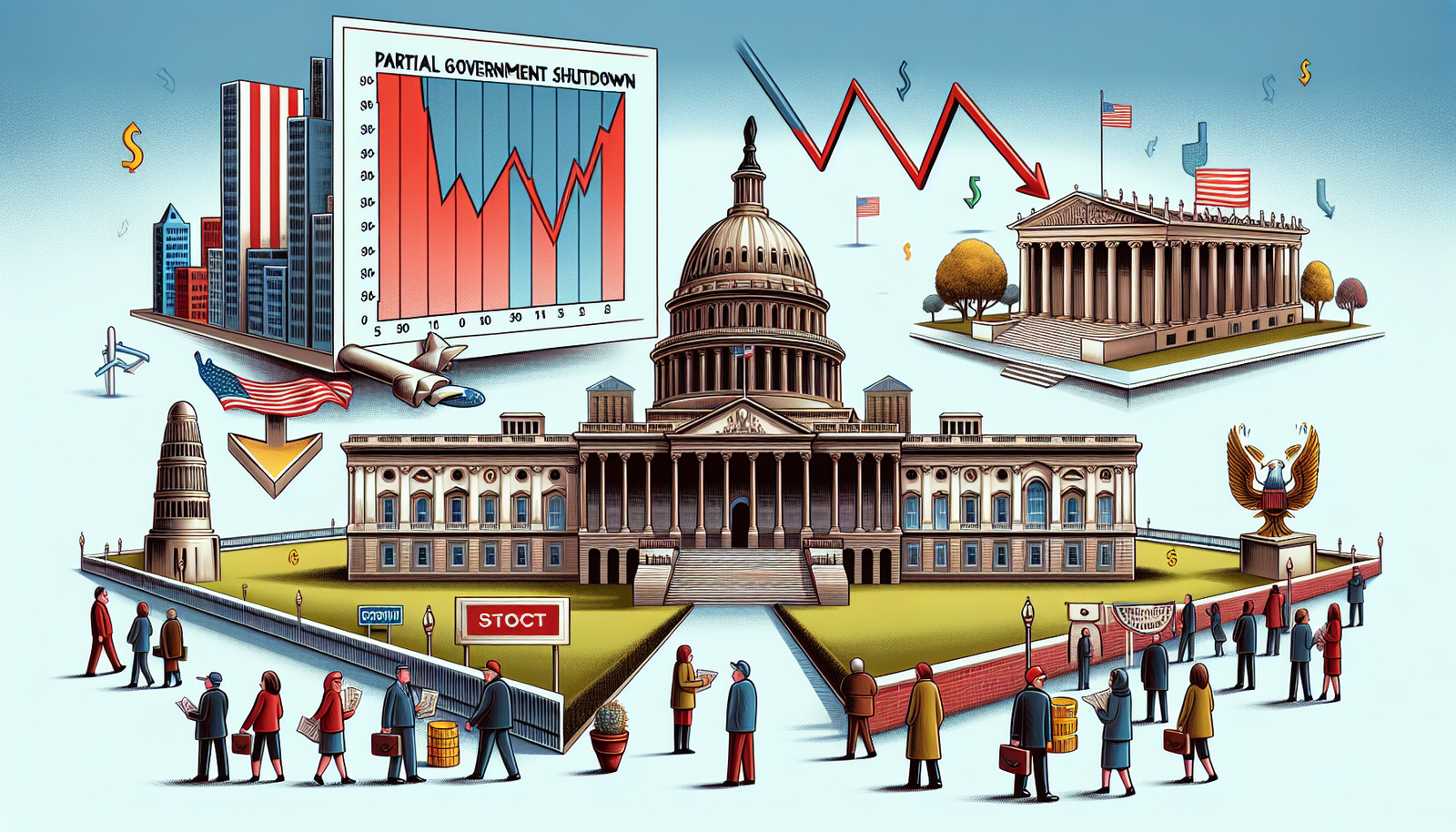
The January 31, 2026 event, as reported by observers, reflects this dynamic: a breakdown in the process left some parts of the government funded and others without clear authority to spend, triggering furloughs and service disruptions where funding was lacking.
Who is affected—and what stops working
During a shutdown, the federal government generally differentiates between essential and nonessential employees. Essential personnel—such as those maintaining national security, public safety, and certain health and safety programs—often continue to work, sometimes with limited pay or retroactive compensation once funding is restored. Nonessential employees are typically furloughed, meaning they are sent home and may not receive pay during the shutdown period.
The impact canvas is broad and varied:
- Public-facing services: Passport processing, visa and immigration services, and some environmental and scientific grant administration may slow or pause.
- Research and grant programs: Federal research funding and grant-making agencies often suspend new awards and progress on existing grants can stall, potentially delaying important projects and collaborations.
- Federal workers and contractors: Furloughs affect hundreds of thousands of workers; certain government contracts may experience delays in payments or milestones, cascading to private sector suppliers and small businesses.
- Regulation and oversight: Inspections and compliance activities may be deferred, potentially affecting consumer protections, environmental monitoring, and workplace safety oversight.
- Public health and safety: Routine administrative functions in health agencies may be reduced, although critical health operations continue under essential staffing.
Economic and market considerations
A partial government shutdown can ripple through the economy in several ways. First, the direct effect is sovereign: delayed payments to federal employees reduce household income in real time, which can dampen consumer spending. Second, government contractors and grant recipients face cash-flow uncertainty; delays in contract awards or reimbursements can tighten operating liquidity for small businesses and universities that rely on federal funding. Third, the broader market can react to the uncertainty around policy timelines and fiscal risk, influencing stock prices, currency markets, and risk premia in financial assets.
Over time, a shutdown can shave growth from quarterly GDP, disrupt ongoing research and development, and complicate the execution of long-planned policy initiatives. The longer a shutdown lasts, the greater the risk that delayed federal activity could spill into areas like infrastructure maintenance, education funding, and public health readiness—areas where a delay today can become a backlog of work tomorrow.
National security, public safety, and readiness
National security and public safety responsibilities remain a priority during a funding gap, but even those operations can face constraints. Law enforcement and defense components typically maintain staffing for core missions, but personnel levels can be affected by furloughs, overtime backlogs, and equipment maintenance delays. Border management, immigration operations, and some intelligence activities may require special funding arrangements to maintain critical security functions. In such circumstances, agencies often reallocate existing resources or rely on previously funded programs to bridge gaps, yet this is not a sustainable long-term solution.
Additionally, emergency response readiness, disaster relief coordination, and public health surveillance require steady funding to stay fully effective. When a shutdown prolongs these activities, the public’s safety net can fray, even as frontline responders work to meet immediate needs.
Policy questions and what this means for the budget process
Shutdown episodes spotlight the political dynamics of federal budgeting. The core questions often revolve around: How can lawmakers restore funding quickly while negotiating long-term fiscal priorities? What mechanisms can prevent recurring stalemates? And how can the government balance urgent needs, long-term investments, and debt sustainability?
One recurring answer is the use of continuing resolutions—temporary funding measures that keep the government running at current or adjusted levels for a set period. CRs can provide time for negotiations but also delay targeted policy changes and may create their own political compromises. For many observers, the question is not only how long a shutdown lasts, but how it ends and what structural changes—if any—emerge to reduce each side’s incentives to trigger or prolong such crises.
Lessons from history: context for 2026
Shutting down the federal government is not unique to 2026. The United States has experienced several high-profile episodes in recent decades, each with its own political context and economic ripple effects. The 1995–1996 shutdowns, for example, occurred amid clashes over spending priorities and deficits; the 2013 shutdown highlighted the acute consequences of policy riders and the limits of government funding during impasses; and the 2018–2019 stalemate showed how political brinkmanship can grind the government to a halt just as the economy was undergoing a period of growth. While the specifics differ, the underlying dynamics—budget fights, political messaging, and the practical consequences of a funding gap—remain relevant. In 2026, observers are watching for the pace of negotiations, the willingness of both parties to compromise on spending levels, and the readiness of agencies to restart operations smoothly when funding is restored.
What this means for individuals, businesses, and communities
For federal workers, a shutdown creates financial uncertainty and personal planning challenges. Human resources offices typically provide guidance on furloughs, back pay, and insurance continuity, but the disruption can be stressful, especially for families living paycheck-to-paycheck. For federal contractors and grant recipients, cash flow is often the first casualty; delayed reimbursements or paused awards can ripple into payroll, research programs, and community services that depend on federal funding. For communities, closures of national parks, museums, and other federal venues affect tourism, local businesses, and cultural institutions that rely on federal activity for visitation and events.
Small businesses that supply goods and services to the federal government may experience postponed contracts and slower project timelines, which can influence hiring and investment decisions. Universities and research institutions relying on federal grants may see slowed approvals or progress, potentially delaying breakthroughs and the dissemination of findings. In short, a shutdown is a broad-based event whose effects extend beyond the walls of the Capitol dome into the daily lives of countless Americans.
Planning for the path forward: what to watch in the days and weeks ahead
Analysts across government, academia, and the financial sector monitor several indicators to gauge how quickly a shutdown might end and what terms will govern the funding restart. Key signals include: the speed and terms of a potential continuing resolution, the level of bipartisan agreement on overall appropriations, and the political willingness to attach funding with policy riders or reforms. Public communications from the White House, House and Senate leadership, and committee chairs can reveal priorities and acceptable compromises. Budget authorities and the timing of back-pay provisions are also critical, as they determine when furloughed workers receive compensation and when stalled programs can resume.
Citizens can stay informed through reputable news outlets and official government updates, paying particular attention to announcements about agency operations and service availability. If you or your organization relies on federal funding or services, it’s prudent to diversify planning assumptions, preserve liquidity where possible, and prepare contingency timelines for project milestones affected by funding disruptions.
Conclusion: understanding a shutdown helps us plan for resilience
A partial government shutdown is a real-world reminder that budget and policy choices have tangible consequences. It tests the resilience of federal programs, the patience of workers, and the confidence of markets. While the shutdown can create short-term friction, the broader arc of American governance rests on the ability of lawmakers to negotiate a credible funding path that aligns with national priorities and fiscal responsibility. By examining the mechanics of funding, the distribution of impacts, and the historical lessons from past crises, citizens and stakeholders can better prepare for the next budget cycle—and advocate for a process that minimizes unnecessary disruption while still allowing for accountability and reform.
For those seeking more detailed, source-based context on the January 31, 2026 event, refer to contemporary reporting and analyses, including reputable public summaries and linked coverage that discuss the sequence of events leading to the funding gap. In the meantime, this overview provides a framework to understand what a shutdown means, why it happens, and how it might conclude in the days ahead.
Note: This post is written to analyze the situation as reported in public summaries related to the January 31, 2026 shutdown. For factual updates and official statements, consult federal agency announcements and congressional briefings.