
A Powerful Snowstorm Hits the Southern U.S.: Travel Disruptions, Subzero Temperatures, and What It Means for You
When a winter storm of unusual strength sweeps across the southern United States, the effects go beyond a few snow flurries. Roads turn slick, airports pause operations, schools close, and communities brace for freezing conditions that push heating systems and power grids to their limits. This weather event, fueled by a surge of Arctic air meeting Gulf moisture, brings subzero wind chills to places unaccustomed to severe winter weather. In this post, we explore what happened, who is affected, safety and preparedness tips, and what to expect in the days ahead. For context on recent coverage, see reports from local outlets such as Nampa.org.
What Happened: A Rare Southern Snowstorm
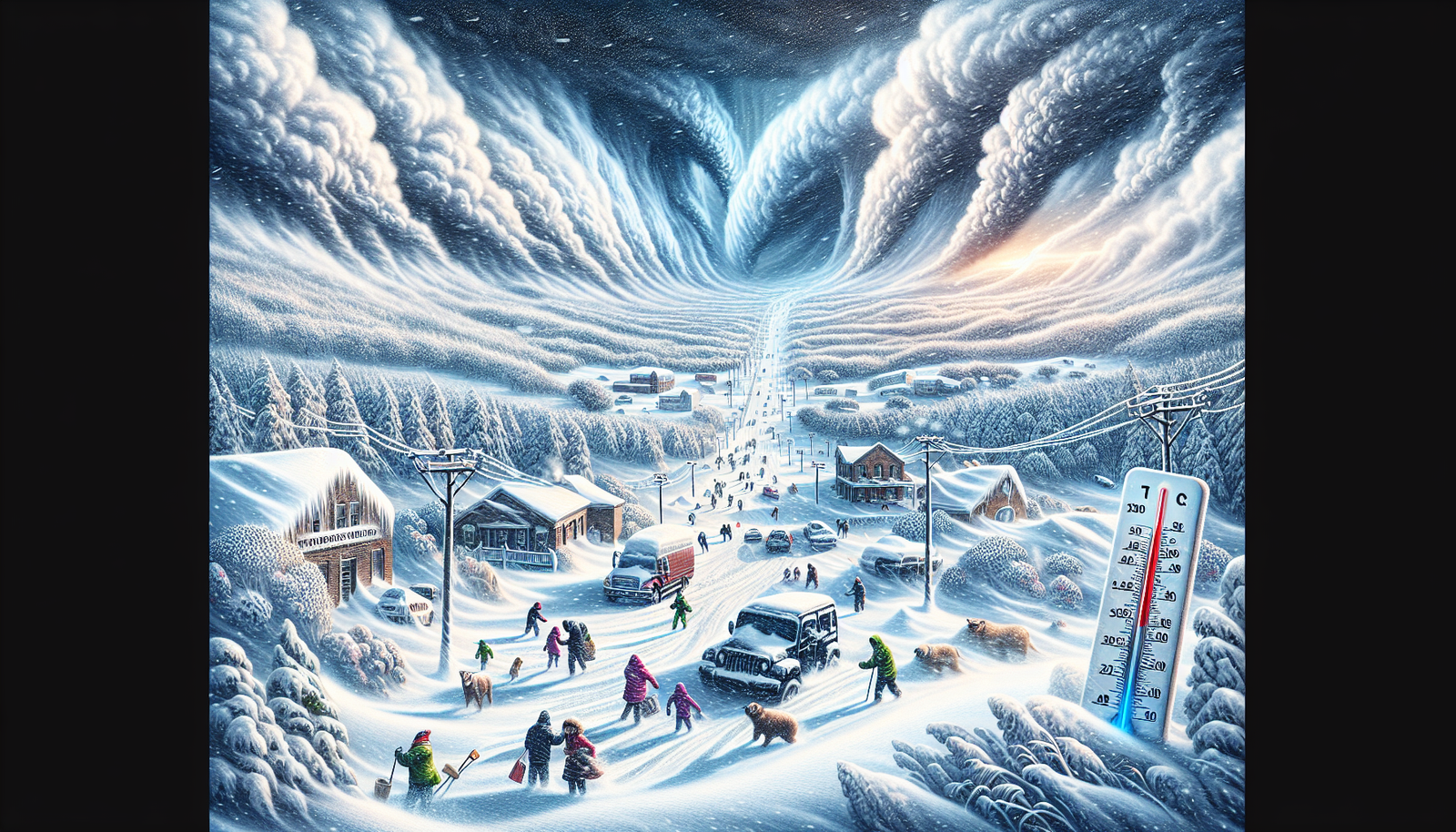
Across the southern United States, a robust winter system delivered more than a light dusting of snow in many regions. Meteorologists described a classic setup: bitterly cold arctic air sliding southward, colliding with moisture from warmer Gulf air. The result is a band of heavy snowfall, snow squalls, and gusty winds that drive wind chill temperatures well below freezing. While the snowfall totals vary by location, the impact was uniform: travel shutdowns, slippery highways, and conditions suitable only for extreme winter gear.
Geographically, the storm stretched from the Gulf Coast states through parts of the Deep South. Cities and towns that rarely see snow found themselves dealing with plowed streets, iced over sidewalks, and school and business closures. In many counties, the combination of ice and wind meant travel advisories remained in place for longer than a typical winter event. As temperatures plummeted, residents faced wind chills that felt colder than the air temperature would suggest, increasing risk for frostbite and hypothermia for anyone outdoors too long.
Why Southern States Are Facing Subzero Temperatures
Several factors contribute to the severity of this storm in the South. First, climate patterns have shifted enough that even southern regions can experience polar air outbreaks during winter. Second, many communities have aging or undersized heating and energy infrastructure that struggles to meet sudden spikes in demand during cold snaps. Third, road treatment and snow removal equipment are often less abundant than in northern states, which means even a few inches of snow can cause disproportionate disruption. And finally, the unpredictability of the storm limits time for pre-storm preparations, especially for residents who do not regularly deal with winter storms.
All of these factors combine to create a situation where a snowstorm is more than just a weather event—it becomes a test of community resilience, emergency planning, and the ability of families to adapt to rapid changes in temperature and mobility.
Impacts on Travel and Mobility
Travel disruptions are the most visible and immediate consequence of a southern snowstorm. Key highways may be closed or restricted due to icing, blizzard conditions, or accidents. Intercity flights can face significant delays or cancellations as airports grapple with de-icing, queue times, and safety concerns. For travelers, even minor weather changes can cascade into missed connections and omitted meetings. Local transit systems, including buses and light rail, might reduce service or suspend operations to keep passengers safe.
Business travelers and tourists alike should expect longer wait times at airports and a higher likelihood of rebooking. If possible, consultants and teams relying on in-person meetings may need to pivot to virtual formats while ground travel remains hazardous. For families, trips to the grocery store or essential errands may require extra planning to avoid peak traffic and to account for potentially hazardous road conditions.
Subzero Temperatures and Health Risks
Subzero wind chills are a particular hazard in this event. Exposed skin can freeze within minutes, and inhaling extremely cold air can irritate the lungs. Frostbite and hypothermia are always risks when the body is exposed to severe cold for extended periods. People living in older homes without adequate insulation, those relying on space heaters, or anyone without reliable heating should take extra precautions. Wind chills also increase the danger of frozen pipes in homes and businesses, which can lead to water damage and costly repairs when temperatures rise.
Pets can suffer just as much as people in cold weather. Provide indoor warmth, plenty of food and unfrozen water, and avoid leaving animals outside for extended periods. Check on elderly neighbors and others who may be more vulnerable to the cold, especially during prolonged cold snaps and power outages.
Safety and Preparedness: What to Do Now
Whether you are staying indoors or traveling, a few practical steps can reduce risk and make the event more manageable. Consider the following safety tips:
- Check your local forecast and weather alerts regularly. Sign up for official emergency alerts and monitor NOAA weather radios or smartphone apps for real-time guidance.
- Limit driving to essential trips only. If you must travel, seize the day’s daylight hours and avert travel during heavy snow or ice conditions. Keep a winter driving kit in your vehicle: a blanket, extra gloves, a flashlight, water, non-perishable snacks, a shovel, traction aids, and a charged phone with a car charger.
- Drive slowly and allow extra stopping distance. Sudden movements can cause skidding on icy surfaces, and black ice is often difficult to see.
- Keep your gas tank above half full to avoid being stranded if conditions worsen or if road closures delay refueling.
- Protect your home’s pipes. If you expect freezing temps, run a slow trickle of water from faucets, open cabinet doors to allow warm air to circulate near plumbing, and know how to shut off your water if a pipe bursts.
- Prepare an emergency kit for the family that includes warm clothing, blankets, a first-aid kit, medications, and important documents. For households with children or elderly relatives, tailor the kit to their needs.
- Power outages can occur during heavy snow and ice storms. Have backup heat sources and battery-powered lighting ready. Keep a charged bank or two to preserve phone and essential device power.
- Check on vulnerable neighbors, including the elderly, disabled, and families with young children. Community support can prevent cold-related harm and ensure access to warmth and essentials.
Staying Informed: Tools and Resources
During a fast-moving winter storm, rapid and reliable information is critical. Use a mix of sources to confirm conditions and plan ahead.
- National Weather Service (NOAA) weather alerts and local forecast discussions.
- State and county emergency management pages for road closures and warming centers.
- Airline and airport websites or apps for flight status updates and rebooking options.
- Local news outlets and community bulletins for real-time closures, school delays, and shelters.
- Social media with official agency accounts for urgent notifications (verify accounts before acting on information).
As noted by sources like Nampa.org, local reporting can provide context about regional conditions and the day-to-day impact on communities. Always cross-check with official weather and emergency services before making travel or safety decisions: Nampa.org update.
What to Expect Next: Short-Term and Long-Term Outlook
In many cases, the most dangerous travel days are the first 24 to 48 hours after a storm warning. As the storm track shifts and warm air returns, temperatures should begin a gradual rebound, though some flash-freeze conditions may persist in spots. The accumulation of snow and ice can cause lingering road hazards for several days, particularly on secondary roads and rural routes. Heating demands are likely to remain elevated during the coldest periods, which can stress power grids and raise energy costs for households. Utilities may issue advisory steps to customers, such as reducing energy usage during peak hours and postponing nonessential outages to conserve capacity.
Schools and workplaces may resume on a staggered basis. Parents should monitor district communications as buses adapt to road conditions. Businesses that rely on winter tourism or transportation may experience delayed shipments or altered schedules. The key for individuals is to stay flexible, follow official guidance, and prioritize safety over speed in the days after the storm passes.
Recovery and Community Resilience: Small Steps, Big Impact
Recovery after a heavy snowstorm is not instantaneous. Neighborhoods may need to clear driveways, restore power, and address water-damaged areas due to frozen pipes. Local volunteers and public services often coordinate shelter, warming centers, and supply distribution for families in need. Small acts of resilience—checking on neighbors, sharing extra blankets, offering a warm space, and donating non-perishable food or bottled water—can make a meaningful difference when a storm disrupts normal routines for days.
From a planning perspective, this event provides crucial lessons for southern communities: invest in resilient infrastructure, expand snow removal capacity where needed, improve weather forecasting and public communication, and maintain emergency response plans that account for cold-weather hazards beyond the more typical heat waves and heavy rain storms. The most effective response blends preparedness, rapid information sharing, and a commitment to protecting life and property during extreme weather events.
Stocking Up: Essentials for Cold Weather
Prepare a cold-weather kit that covers any potential extended outages or travel delays. Consider these essentials:
- Water: at least one gallon per person per day for several days.
- Non-perishable food and a manual can opener.
- Battery-powered or hand-crank radio for weather alerts.
- Flashlights and extra batteries, as well as a portable power bank for mobile devices.
- Warm clothing, hats, gloves, and blankets for each household member and pets.
- First-aid supplies, prescription medications, and pet food.
- Pet-safe heat sources and extra shelter space if possible.
- Emergency contact list and copies of important documents in a waterproof bag.
Frequently Asked Questions
Q: How long will this storm last? A: Storm duration varies by location. Expect the heaviest snowfall and travel disruption in the first 24–48 hours, with lingering hazards over the following days as temperatures fluctuate. Always follow local guidance for the most accurate timeline.
Q: Should I cancel or delay travel? A: If you can postpone nonessential travel, do so. If you must drive, plan for slow speeds, allow extra time, and check conditions frequently. Airlines may offer rebooking without penalties during significant weather events, but verify policies with your carrier.
Q: What if power goes out? A: Have an outage plan, stay warm in a safe area, and conserve fuel or energy sources. Use safety-certified heaters and never use open flames indoors. If you rely on medical equipment, have a backup plan and communicate with your provider and local authorities.