
Powerful Snowstorm Grips Southern States: Travel Disruptions, Subzero Temperatures, and What Comes Next
When a powerful snowstorm sweeps across regions unaccustomed to winter weather, the effects extend far beyond flurries on the ground. In the southern United States, transportation networks face delays, schools and businesses close, and residents contend with temperatures dropping below freezing. This guide synthesizes current conditions, safety recommendations, and practical steps for staying safe and informed. For reference, this coverage builds on reporting from local outlets such as Nampa and meteorological data from national services. Source: nampa.org.
What Happened: A Look at the Weather Event
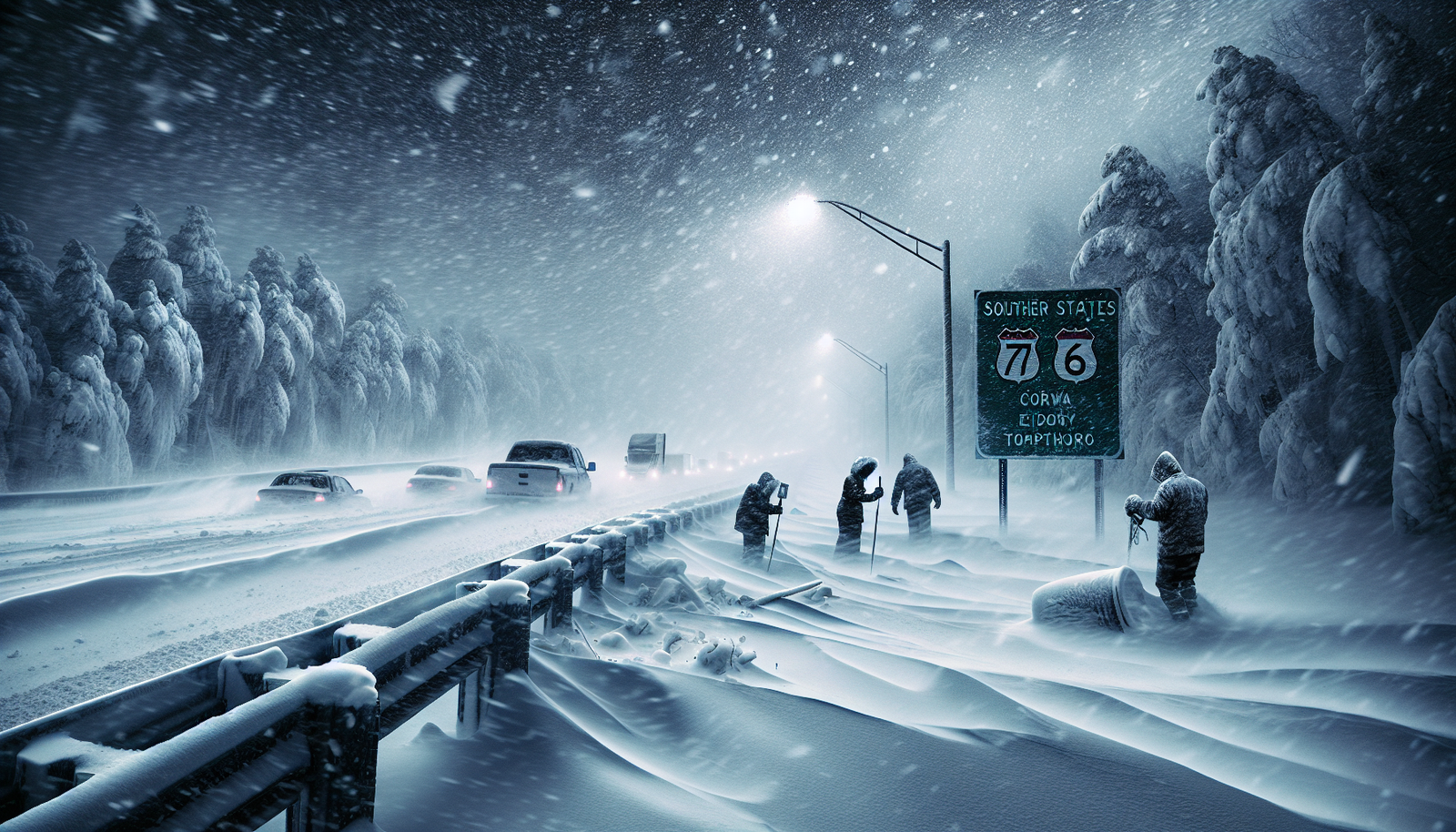
The storm arrived as a potent winter system pushing cold air far south from its usual winter-northern lanes. Meteorologists describe a pronounced Arctic air mass plunging southward, accompanied by a moisture plume that allowed snow to accumulate where it isn’t common and ice to creep into untreated roadways. The result is a mix of snow, sleet, and freezing rain that can lead to slick travel conditions even on routes that are normally well maintained.
In many southern locales, temperatures have fallen below typical January averages, and strong gusty winds have produced dangerous wind chills. Communities are waking up to subzero temperatures in some counties, with wind chills dipping below 0 °F in exposed areas. The combination of cold air and precipitation has created a hazardous mix for motorists, commuters, school districts, and energy providers.
Impacts by Region and Sector
The exact toll of this storm varies by state and locality, but several common patterns are visible across the South:
Texas and the Gulf Coast
Even in parts of Texas and along the Gulf Coast, where snow is rare, the storm has disrupted travel plans and required closures of schools and government offices in some counties. Roadways may be slick, and minor traffic incidents can quickly cascade into larger delays. Airlines serving major hubs have temporarily canceled or rescheduled flights, and travelers are advised to check with carriers before heading to airports. Local authorities have opened warming centers in urban cores to assist residents without adequate heating at home.
Louisiana, Mississippi, and Alabama
Louisiana, Mississippi, and Alabama face a similar mix of cancellations and slowdowns as cold air interacts with limited snow removal infrastructure in some rural areas. School districts across these states have shifted to virtual learning in affected districts, and some parishes and counties have declared weather emergencies to mobilize shelter and rescue resources. Power and gas suppliers warn customers to anticipate service interruptions in communities with infrastructure stressed by freezing temperatures and ice buildup on power lines.
Georgia and the Carolinas
In Georgia and the Carolinas, the storm’s intensity has varied from city to rural district. Subfreezing temperatures drive energy demand upward, raising the chance of rolling outages in vulnerable neighborhoods. Travel advisories are common, with many counties limiting nonessential travel and urging residents to stay home. Local news outlets report school closures and delayed starts, while businesses that depend on hospitality and tourism prepare for slower foot traffic during the week ahead.
Florida Panhandle and Southern Highlands
Even in the Florida Panhandle and neighboring highlands, cold snaps have created hazards for drivers and pedestrians who encounter black ice on bridges and overpasses. While snowfall is unusual for this region, freezing precipitation can accumulate on untreated surfaces, causing widespread slowdowns. Communities near the coast may see higher wind-driven spray and spume along peninsula shores, complicating commutes during morning hours.
General Impacts Across the Zone
Across counties and metropolitan areas, the storm’s collateral effects include school closures, delayed or canceled public transit routes, disruptions to freight networks, and the temporary rerouting of road maintenance crews to address icing and snow removal needs. Local businesses are adjusting staffing and hours, while emergency management officials coordinate shelters, warming centers, and medical services to help residents who rely on heating, medical equipment, or daily medications that require stable temperatures.
Safety first: Tips for residents, motorists, and travelers
Falling temperatures and slick roads create hazards that require careful planning. The following guidance is designed to reduce risk, protect property, and save time during a period of intense winter weather.
- Limit travel unless necessary. If you must drive, give yourself extra time, slow down, and increase following distance. Bridges and overpasses freeze more quickly than roadways because they conduct ambient cold more efficiently.
- Prepare an emergency winter kit for your vehicle. Include blankets, extra clothing, nonperishable food, water, a flashlight, a charged phone bank, jumper cables, a first-aid kit, ice scraper, tire traction mats or sand, and a small shovel. Keep the gas tank near full to avoid fuel line freezing in subfreezing weather.
- Check road conditions before you depart. Local DOT dashboards, weather alerts, and traffic apps provide real-time information on closures, detours, and icing. Plan alternate routes and share your itinerary with someone you trust.
- Drive to conditions, not to your destination. If you encounter snow or ice, avoid sudden braking or acceleration. If you begin to skid, steer gently into the direction you want to go and ease off the accelerator.
- If you become stranded, stay with your vehicle. Run the engine periodically for heat, but ensure the exhaust pipe is clear of snow. Maintain a visible beacon by tying a bright cloth to the antenna or using hazard lights. Keep windows cracked slightly to avoid carbon monoxide buildup when the heater runs for extended periods.
- Heating safety matters. Use space heaters only with supervision and over nonflammable surfaces. Ensure proper ventilation to avoid carbon monoxide accumulation. If you rely on alternative heating, consider community warming centers as a safer option when possible.
- Check on vulnerable neighbors. The elderly, infants, people with chronic illnesses, and the homebound may be more susceptible to rapid temperature swings. Offer a phone call, a ride to a warming center, or help with essential supplies if you can safely do so.
Travel and Logistics Advisory for the Week Ahead
If you have plans to travel, stay flexible. Airlines and rail operators may issue waivers, reschedule departures, or institute delays. Employers may stagger shifts to reduce traffic on icy roads. For commercial drivers, regulatory agencies typically enforce weather-related load restrictions and hours-of-service adjustments to maintain safety on slow-moving routes.
- Frequently check your airline, bus company, or rail service for cancellations or changes. Obtain written confirmation of rebooked itineraries and saved seats when possible.
- Monitor local weather advisories and the National Weather Service alerts for your specific county or parish. Sign up for emergency alerts where offered by your city or state.
- Plan for the unexpected: a temporary shelter, spare warming supplies, or backup accommodations in case a storm delays your return.
Economic and Community Implications
Beyond immediate safety concerns, a multi-day winter system can disrupt supply chains, affect grocery and pharmaceutical deliveries, and reduce foot traffic in downtowns. Small businesses may face downtime that affects payroll and cash flow, while service industries adjust to a slower pace and shifting demand. Local governments, utility providers, and healthcare facilities coordinate to keep critical operations running—whether that means keeping heating in shelters, assisting people with mobility devices, or ensuring that vulnerable medication supplies remain accessible in cold weather.
Communities that typically depend on a mild climate for tourism or outdoor activities may experience an abrupt shift in visitor behavior. Restaurants, entertainment venues, and other local amenities may see softer sales, while essentials like fuel, groceries, and warm clothing see upticks in demand. In rural areas, the storm can compound existing transportation challenges, making it harder for residents to access healthcare or education. Being prepared and coordinated with local emergency management reduces the impact of these economic tremors.
What to Expect Next: Weather Outlook and Preparedness
Forecasts indicate that the cold snap will gradually ease in some areas as the Arctic air mass shifts, but lingering cold can persist for several days after the storm, with the potential for refreezing at night and additional wind chills. In more southern counties that did not receive heavy snow, subfreezing nights can still pose dangers to uninsulated homes and elderly residents who rely on consistent heating. Forecasters advise residents to plan for a few more nights of protective measures—particularly for households with infants, elderly family members, or individuals with medical conditions that require stable indoor temperatures.
Local authorities may continue to issue travel advisories or emergency declarations if more ice forms or if power outages persist. Watch for announcements about warming centers, cooling/heating assistance, and public safety campaigns emphasizing safe heating practices and CO detector maintenance. Acting proactively—checking batteries in smoke and carbon monoxide detectors, stocking water, and ensuring medications stay within safe temperatures—can prevent avoidable emergencies during a prolonged cold spell.
Helpful Resources and Safety Contacts
Keep these resources handy as the storm evolves:
- National Weather Service updates and forecasts by county or parish
- Local emergency management agencies and city or county hotlines
- Department of Transportation road conditions and traffic cameras
- Utility providers for outage maps and restoration estimates
- Warming centers and shelter information, especially for households with vulnerable individuals
For immediate weather alerts and safety tips, you can reference national guidance and the referenced local coverage at Nampa News.
Conclusion: Staying Safe and Prepared
A strong winter system across the southern United States underscores the importance of preparation, situational awareness, and community support. Even in regions where snow is uncommon, the combination of ice, cold temperatures, and busy travel networks can create safety hazards and disrupt daily routines. By staying informed through reliable forecasts, limiting nonessential travel, stocking emergency supplies, and looking out for neighbors, residents can weather the storm with greater resilience. As conditions evolve, update plans accordingly, and rely on official guidance for road closures, shelter availability, and safety advisories.