
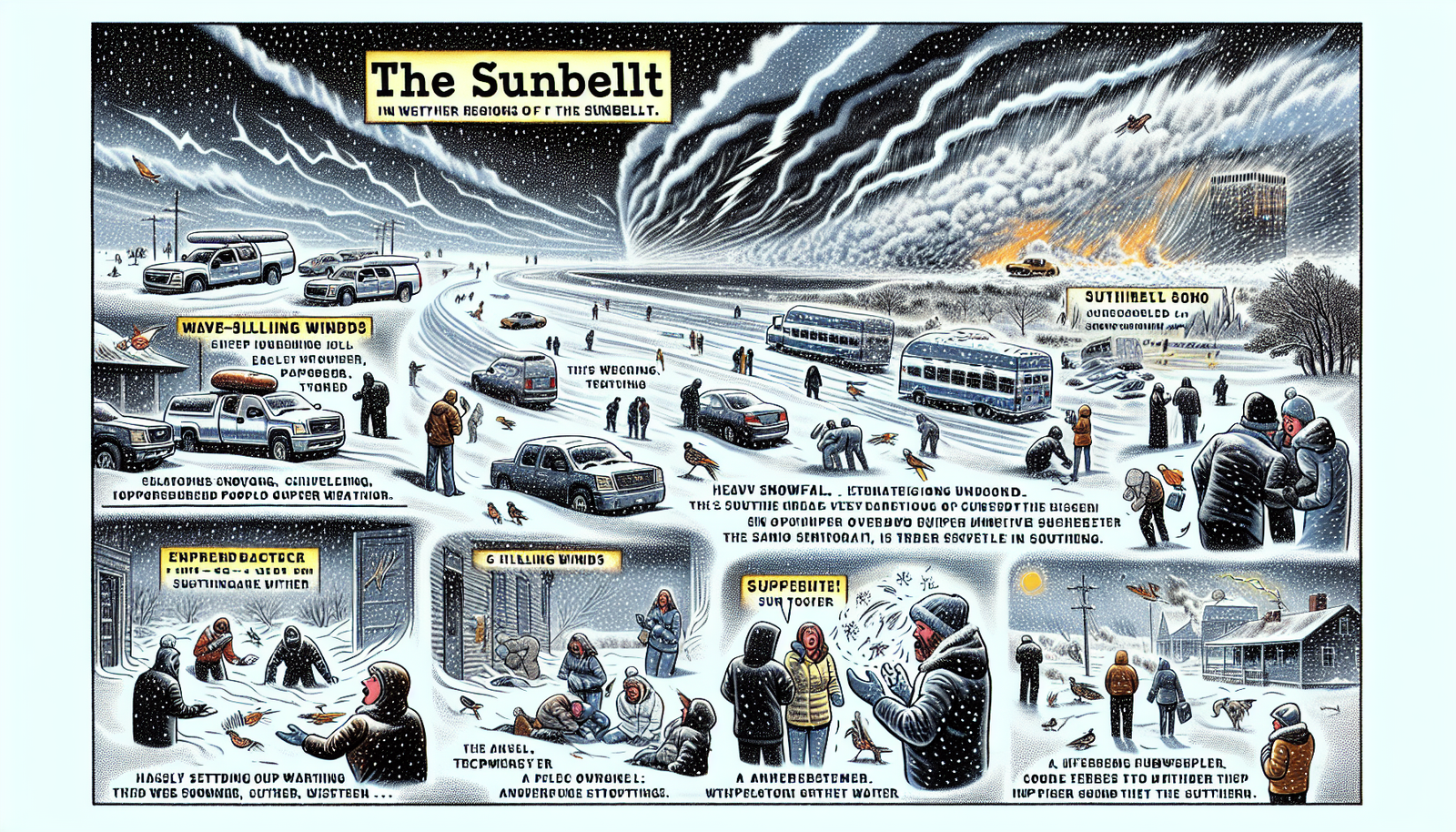
Snowstorm Strikes the Sunbelt: Travel Disruptions, Subzero Temperatures, and What It Means for the South
A powerful winter storm sweeping through southern U.S. states has brought unusual snowfall, record-low temperatures, and widespread travel disruptions. While snow is not a daily occurrence in many of these communities, residents are coping with closed roads, delayed flights, school and business disruptions, and the need to adapt quickly to rapidly changing conditions. This guide offers a clear look at what happened, how to stay safe, and what to expect next.
What Happened
The storm system progressed from the Gulf Coast into the interior South, bringing pockets of heavy snow and freezing rain to areas that rarely see such conditions. Meteorologists describe it as a classic Arctic air punch meeting a moist air mass from the Gulf, producing a wintry mix that includes light to moderate snowfall, sleet, and, in some places, significant ice accumulations. While the total snow depth in many southern cities remains modest by northern standards, even a few inches can cause major disruption when road crews are not equipped for icy surfaces and drivers are less experienced with winter conditions.
Compounding the challenge, gusty winds have led to wind chills well below freezing, making subzero-feeling temperatures common in the afternoon and evening hours. Authorities warn that black ice can form overnight as temperatures dip below freezing, creating hazardous driving conditions for hours after precipitation ends.
Several states have issued travel advisories, urging residents to limit nonessential trips. Airports across the region have delayed and canceled flights, while intercity bus services and freight deliveries have experienced slowdowns. Utility providers report increased demand for heating and, in some places, outages that require crews to work around the clock to restore service as temperatures plummet.
For readers tracking this event, it’s crucial to follow local weather updates and official advisories. The linked report from Nampa.org offers a snapshot of how communities are responding to the storm on the ground and the temporary services being deployed to assist residents (source: https://www.nampa.org/text/22847413?utm_source=openai).
Impact on Travel and Daily Life
Travel disruption has been the most visible and immediate consequence of the storm. Interstates and major highways in the affected regions have reported closures due to snow accumulation and ice. Even when roads are plowed, the combination of slick surfaces and unpredictable gusts can deter drivers who are unaccustomed to winter conditions. Rural corridors, which often lack robust snow-removal fleets, are particularly vulnerable to extended closures, delaying essential shipments of groceries, medicine, and fuel.
Air travel has felt the brunt of the weather, with hundreds of flights canceled or delayed across regional hubs. Airlines frequently adjust schedules to accommodate snow-removal operations and to reroute flights affected by congestion at larger airports. Travelers planning to fly should check with their carrier, arrive early, and consider travel insurance or flexible ticket options.
School districts have announced closures or delayed starts in many counties. While some districts pivot to remote learning for a day or two, others aim to resume normal activities as soon as road conditions allow. Employers are likewise balancing safety with productivity, offering remote work options where feasible and adjusting shift schedules to reduce exposure on icy commutes.
Beyond the roads and runways, the storm is impacting supply chains. Grocery stores report temporary shortages on cold-weather staples, and some neighborhoods report fluctuations in power supply that complicate routine shopping and meal preparation. Community resources, including warming centers and emergency shelters, begin to operate in earnest during prolonged cold snaps, providing a safe refuge for residents facing fuel or heating shortages.
Staying Safe: Practical Tips for Residents
On the Road
- Limit travel to essential trips. If you must drive, reduce speed, increase following distance, and avoid abrupt maneuvers that can cause skidding on ice.
- Keep an emergency kit in your vehicle, including a blanket, extra warm clothing, water, nonperishable snacks, a flashlight, a small shovel, sand or kitty litter for traction, and a portable phone charger.
- Let someone know your route and expected arrival time. Maintain a charged phone for emergencies, and avoid depleting devices when you’re not connected to power.
- Drive slowly in icy patches, especially intersections and shaded areas where ice tends to form earlier.
At Home
- Keep a three-day supply of essentials (water, nonperishable food, medications) in case of power outages or multi-day travel disruptions.
- Conserve heat: close off unused rooms, layer clothing, and use blankets. If using space heaters, ensure proper clearance and never leave them unattended.
- Maintain CO2 safety: never run generators indoors or in attached garages, and avoid using grills or camp stoves indoors.
- If your heating system is electric and power is interrupted, have an alternative heating plan such as a safe source of warmth with proper ventilation.
Health and Safety
- Protect against hypothermia and frostbite. Limit time outdoors, wear multiple layers, and keep extremities covered.
- Check on neighbors—especially the elderly, families with young children, and those with mobility issues.
- Hydrate and monitor for symptoms of cold exposure, such as numbness, shivering that persists, disorientation, or confusion.
Understanding Why Southern Regions Face Snow—And What It Means for the Future
Snow in the southern United States is not unprecedented, but it is comparatively rare and often more disruptive because infrastructure, travel habits, and building codes are tuned for milder winters. In many southern states, road crews have fewer snowplows, salt supplies, and pre-treated routes. Power grids in some regions are designed to handle heat waves—air conditioning in the summer—rather than sustained cold snaps, and prolonged cold can stress electrical systems as demand spikes and equipment operates in harsh conditions.
Experts explain that even modest snow events can create cascading effects—accidents blocking lanes, driver shortages, and school closures that ripple through workplaces. When temperatures drop below freezing for an extended period, the risk of freeze-thaw damage to pipes and water lines increases, prompting households to take precautionary steps such as insulating pipes and letting faucets drip during the coldest nights.
From a climate perspective, events like this reflect the broader variability that climate scientists link to changing weather patterns. While it’s not possible to attribute a single weather event to long-term climate trends, the frequency and intensity of extreme cold snaps in some regions are a reminder of the need to prepare for rapid shifts in weather, even in places historically known for milder winters.
What to Expect Next: Short-Term Forecast and Longer-Term Preparedness
In the next 24 to 72 hours, forecasters anticipate temperatures to remain well below average for the season, with a risk of refreezing on untreated surfaces as night temperatures fall again. Snow and ice may continue in pockets where precipitation lingers, followed by drying conditions that allow crews to resume recovery operations. It’s essential to stay tuned to local alerts for road closures, school decisions, and updates on energy supply stability.
Longer-term, communities will likely reflect on preparedness gaps highlighted by this event. Local leaders may review device inventory for snow removal, expand warming center capacity, and adjust emergency response protocols to expedite resource distribution during future winter storms. Public health officials emphasize the importance of emergency planning for vulnerable residents and the value of community partnerships that connect people with shelter, food, and heating assistance when needed.
How to Stay Informed
Reliable, up-to-date information is crucial during winter storms. Consider these sources as your primary references:
- National Weather Service (NOAA) and local NWS offices for official forecasts, watches, and warnings.
- State and city emergency management websites for travel advisories, shelter locations, and power outage updates.
- Local TV and radio stations, which often provide real-time traffic and weather bulletins.
- Mobile weather apps and trusted news outlets, but beware of misinformation and verify with official sources when in doubt.
- Direct links to verified statements, including reports like the one on Nampa.org cited here: Nampa.org storm coverage.
Conclusion: Preparedness and Community Resilience
Snow in the Sunbelt is a stark reminder that winter weather can disrupt plans anywhere and at any time. The most effective response combines cautious personal decision-making, timely official guidance, and a willingness to help neighbors who are most at risk. By staying informed, stocking up on essentials, and adopting safe practices for travel and heating, residents can reduce the dangers associated with sudden winter storms.
As this storm unfolds, communities are learning—again—that resilience is born from preparation, clear communication, and a shared commitment to safety. If you found this guide helpful, consider sharing it with friends and family who might travel or work in the affected areas, and keep an eye on local advisories as conditions evolve.