
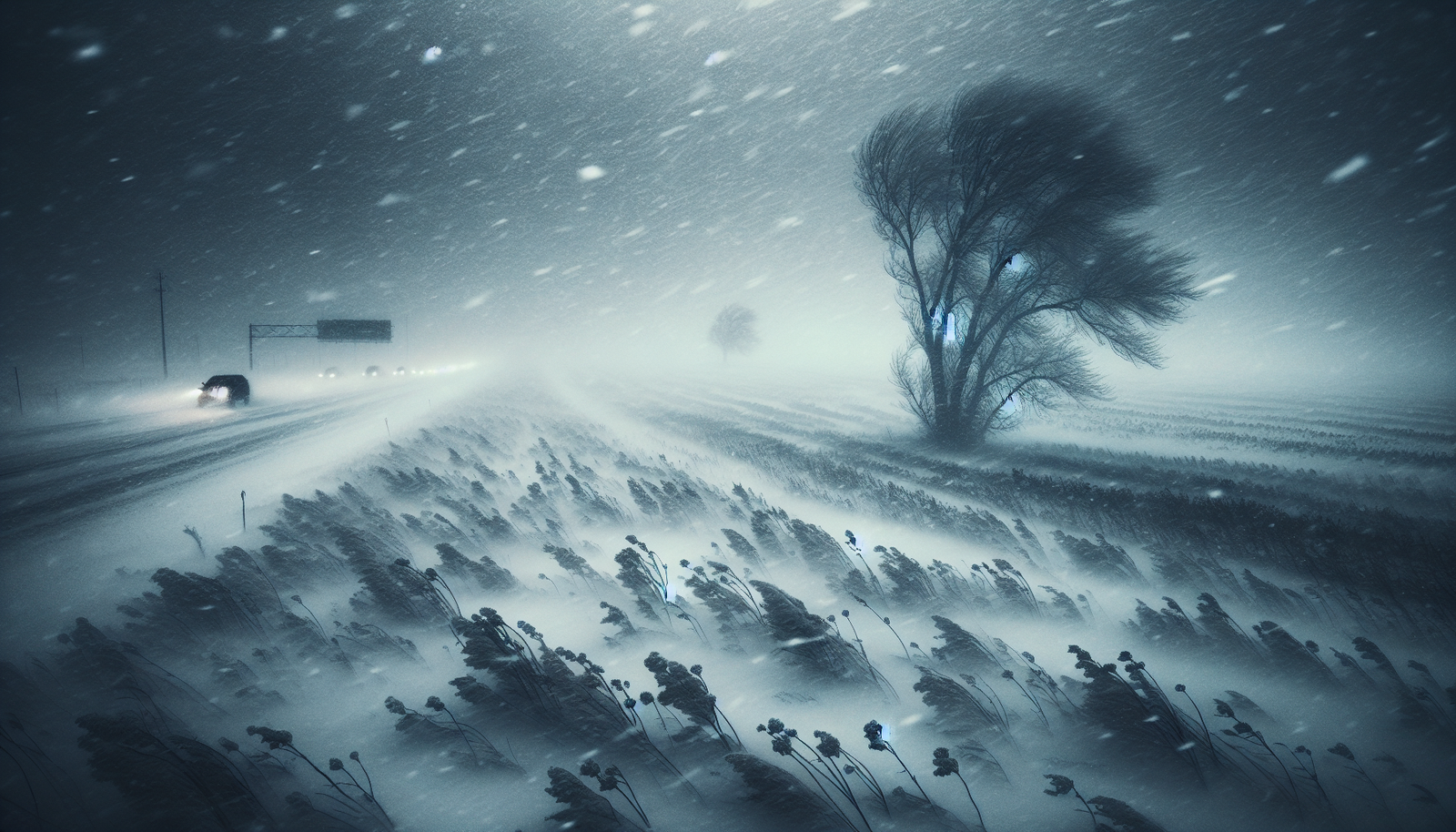
Winter Storm in the Southern U.S.: Travel Disruptions and Subzero Temperatures
Updated coverage of a powerful snowstorm sweeping the Deep South, bringing travel chaos and dangerously cold weather. Source coverage and safety guidance provided for residents and travelers alike.
Overview: A Rare Winter Storm in the Deep South
The southern United States is experiencing a powerful winter storm that has moved into areas unaccustomed to extended snowfall and sustained subzero temperatures. While snow falls were previously a novelty in many southern communities, this system delivered accumulating snow, icy roads, and unusually cold air ushered in from the north. The result is travel disruption, school and business closures, and the heightened risk of hypothermia and frostbite for anyone caught outdoors.
Although the exact track of a storm can vary, the combination of Gulf moisture and a strong Arctic air mass can produce rapid snowfall and dangerous wind chills across a broad swath of the Deep South. Local meteorologists have described a setup that brings moisture into the region just as an incoming cold front plunges temperatures below freezing for extended periods. In practical terms, residents should treat this as more than a passing event: plan for multiple days of chilly weather and possible interruptions to normal routines.
What Happened: Weather Mechanics and Local Impacts
The storm’s progression was driven by a balance of warm, moist air from the Gulf of Mexico and a surge of cold air sweeping southward from higher latitudes. When these air masses collide, precipitation can fall as snow or a mix that freezes on contact, leading to slick roads and whiteout conditions in some communities. In many southern locales, temperatures dropped below freezing for the first time in days, with lingering wind chills that made the air feel several degrees colder than the thermometer displayed.
The resulting conditions disrupted everyday life: announcements of school closures and delayed openings, cancelations or delays of flights at regional airports, and road closures on major interstates and secondary highways. Local authorities urged residents to limit nonessential travel and to prepare for possible power outages as demand for heating increased.
Travel Disruptions Across the Region
Travel has been affected in multiple ways as crews work to treat roadways and restore normal service. Drivers should expect:
- Halted or severely slowed traffic on major corridors due to snow, ice, and reduced visibility.
- Airport delays and flight cancellations as weather systems affect takeoffs and landings.
- Guarded schedules for buses, trains, and other forms of public transit as crews address slick surfaces and equipment challenges.
If you must travel, check with your carrier for the latest advisories and road conditions. Even when roads look passable, black ice and icy bridges can surprise drivers, particularly during early morning or late evening hours when temperatures dip again. Be prepared for longer travel times and carry an emergency kit in your vehicle.
Subzero Temperatures: Health, Safety, and Risks
Subzero temperatures don’t mean subzero wind chills. Even when the air temperature is only borderline cold, wind can dramatically reduce the apparent temperature, increasing the risk of hypothermia and frostbite for anyone outside for extended periods. Prolonged exposure can also create dangerous conditions for pets and livestock.
Health professionals urge residents to limit time outdoors, dress in layers, cover extremities, and to monitor for signs of cold-related illness. Seniors, children, pregnant people, and those with chronic illnesses are especially vulnerable and should seek heated shelter if possible.
Power outages, when they occur, magnify cold-related hazards. If you lose electricity, use alternative heating sources safely (never a stove or oven for long-term heating), ensure proper ventilation, and have working carbon monoxide detectors. In addition, heating equipment should be used according to manufacturer guidelines to avoid fire and CO risks.
Impact on Daily Life
Schools and workplaces in many communities either closed or operated with delays. Grocery stores, pharmacies, and essential services reported higher demand for batteries, warm clothing, and nonperishable foods as residents prepared for potential outages or interrupted supply chains. Some neighborhoods faced burst pipes or water service interruptions due to freezing temperatures, underscoring the need to keep a small reserve of water and a backup plan for home utilities.
Small businesses dependent on daily foot traffic encountered reduced customer activity, while delivery services encountered delays and restrictions. Utility providers prepared for increased demand for heating and for potential outages, deploying crews to critical lines and prioritizing residential areas during peak cold snaps.
Staying Safe: Practical Tips for Home and Road
Whether you’re at home, at work, or on the road, a cold-weather event like this requires intentional safety steps. Here are practical tips to reduce risk and stay comfortable:
- Dress in layers and cover exposed skin. Warm hats, gloves, scarves, and insulated footwear help prevent rapid heat loss.
- Keep homes well-heated but energy-efficient. Close off unneeded rooms and use programmable thermostats to minimize energy use while maintaining safe indoor temperatures.
- Set up an emergency kit with water, nonperishable food, flashlights, batteries, a first-aid kit, and extra blankets.
- Protect pipes by allowing a slow drip from faucets and opening cabinet doors under sinks to let warmer room air circulate around plumbing.
- Ensure carbon monoxide detectors are working, especially when using alternative heating sources. Do not run generators, grills, or outdoor heaters inside garages or enclosed spaces.
- Check on neighbors who may need assistance, particularly the elderly, young children, or people with medical conditions.
What to Do If You Must Travel
If traveling is unavoidable, preparation reduces risk. Consider these guidelines:
- Check road conditions and weather forecasts before departure and throughout your trip.
- Keep a full tank of gas, an ICE-safe emergency kit, and a charged mobile phone with car charger.
- Share your itinerary with a friend or family member and establish check-in times.
- Drive slowly for traction, leave extra space between vehicles, and avoid sudden maneuvers that can cause skidding.
- If you encounter a stranded situation, stay with your vehicle, keep the exhaust pipe clear, and call for help. Run the engine periodically for heat, but ensure the exhaust is not blocked by snow or ice.
Community and Local Response
When a significant winter storm hits, local authorities coordinate with utility providers, transportation agencies, and community organizations to keep residents safe. Emergency shelters may be opened for those whose homes lose heat, and public schools typically adjust schedules to protect students from cold exposure. Community centers and faith-based groups often organize warming stations or food assistance in the toughest-hit neighborhoods.
News outlets and official social media channels provide real-time updates on road conditions, power outages, school closures, and weather alerts. Following verified sources helps people make informed decisions and avoid misinformation during rapidly changing conditions.
Preparing for What Comes Next
In the wake of a winter storm, the most important steps involve recovery planning and prevention of further damage. If you own property or a business in affected areas, consider:
- Inspect for ice dams and water damage when conditions allow safe access to roofs and basements.
- Review winter-weather contingency plans for staff and customers.
- Test heating, plumbing, and ventilation systems after the cold snap ends to ensure they’re functioning properly.
- Stock a longer-lasting emergency supply and consider backups for electricity, such as solar or generator-equipped charging options, while exercising safety guidelines.
Resources and Where to Get Help
For local updates, rely on your state and city emergency management offices, the National Weather Service, and your utility providers. Useful general resources include:
- National Weather Service forecast and alerts: up-to-date warnings and expects of storm intensity and track.
- State and local emergency management agency advisories on travel, closures, and shelter options.
- Utility company outage maps and restoration estimates for power-related information.
- Nonprofit and community organizations offering warming centers, food, water, and shelter assistance during the crisis.
If you’re in an immediate emergency, call your local emergency number or 911. Keep a small stash of contact information and store important numbers in your phone for quick access during a winter weather event.
Bottom Line: Resilience, Preparedness, and Solidarity
A powerful snowstorm across the southern United States serves as a reminder that weather can disrupt routines in unexpected ways. In these moments, preparedness—having warm clothing, a reliable communication plan, a stocked home emergency kit, and a clear plan for travel or shelter—can make a critical difference in safety and comfort. Communities respond with coordination and care: schools adapt, utilities deploy crews, and neighbors watch out for one another.
While forecasts may fluctuate and conditions may improve or worsen over days, the underlying message remains the same: stay informed, stay warm, and act with caution. By prioritizing safety and sharing accurate information, residents across the Deep South can navigate this winter storm with less risk and greater resilience.