
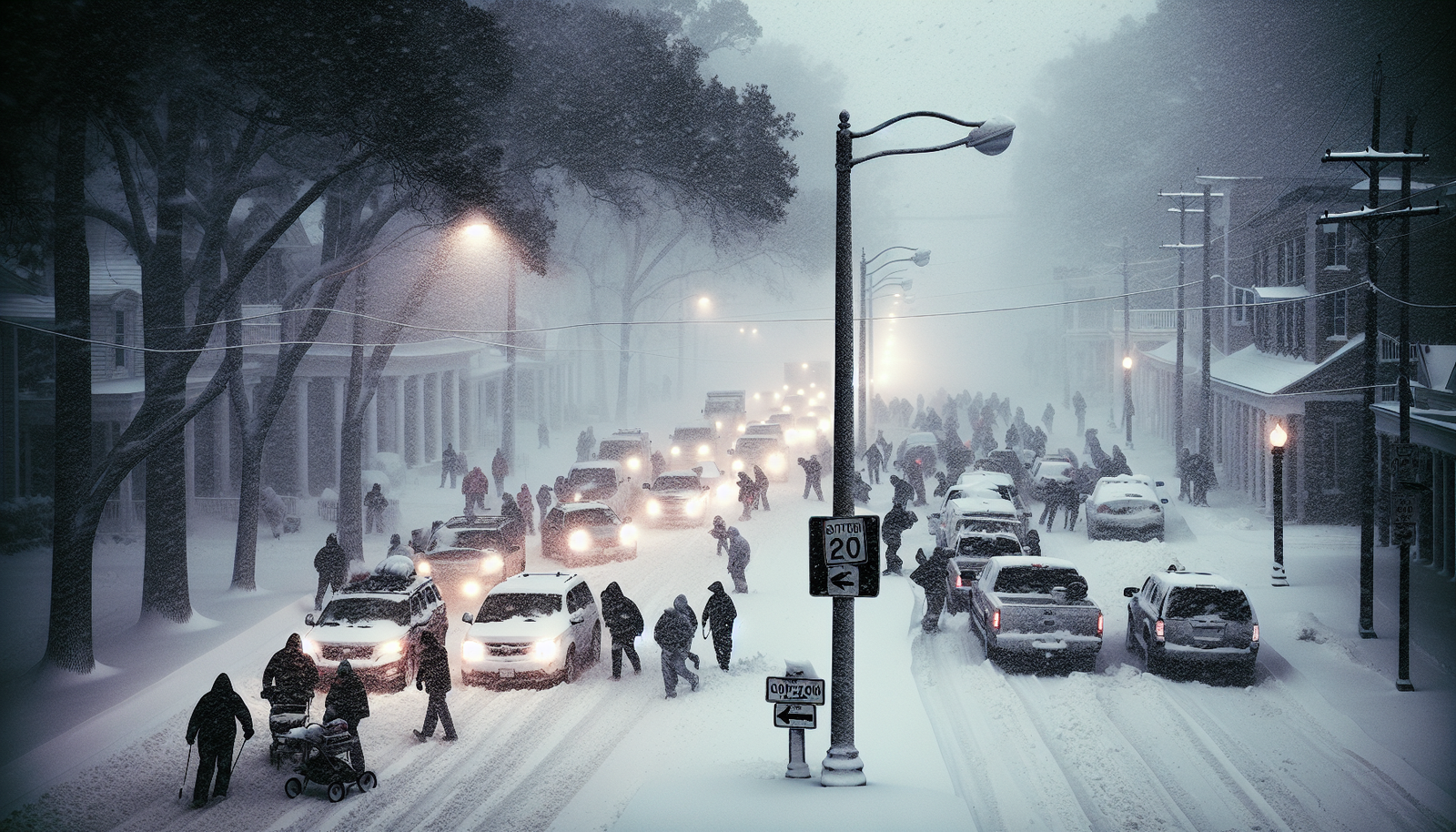
Snowstorm Strikes the South: Travel Disruptions and Subzero Temperatures Sweep Southern States
Updated February 1, 2026. A powerful snowstorm has moved through the southern United States, delivering heavy snowfall, dangerous travel conditions, and subzero temperatures across parts of the region. While the Southeast is not traditionally known for blizzards, an Arctic air mass combined with moisture from the Gulf has created a rare winter event that is affecting millions. This guide breaks down what happened, which areas are most affected, how to stay safe, and what to expect in the hours and days ahead.
Overview of the Storm and Its Impacts
The storm arrived with a compact but intense band of snow that stretched from west Texas through the Deep South to the Southeast. Temperatures plunged well below freezing, with many locations recording subzero wind chills that make even short exposures hazardous. Travel disruptions followed quickly as untreated roads iced over, and plowing crews and salt applications struggled to keep pace with fast-changing conditions. Airports reported widespread delays and cancellations, while major interstates faced closures or heavy congestion as motorists heeded warnings to stay off the roads unless absolutely necessary.
Officials described it as a multi-day event: the cold snap can be expected to persist for 24 to 72 hours in many areas, with a gradual warming trend starting later in the week. While this is not a rare occurrence in northern states, it is a notable anomaly for the climate of many southern communities, where homes, schools, and businesses are not routinely designed to cope with such cold and icy conditions.
Regions and Communities Most Affected
The worst conditions stretch across several southern states, including parts of Texas, Louisiana, Mississippi, Alabama, Georgia, and the Florida Panhandle. In rural communities, the impact is compounded by limited winter weather experience and older housing stock that is less well insulated. Urban areas face a different set of risks, from grid strain and outages to traffic bottlenecks and crowded warming centers. There are also reports of icy bridges and overpasses that pose hazards for drivers who encountered slick surfaces after night-time temperatures dipped below freezing.
Within Texas and the Gulf Coast states, some municipalities reported record-low temperatures for the date, with daytime highs not reaching freezing in several counties. In Georgia and the Carolinas’ northern fringes, light-to-moderate snowfall accumulated in several pockets, creating a contrast with the typical expectation of rain or sleet in the winter season. Florida’s northern counties and the Panhandle saw a mix of snow flurries and sleet, surprising residents who rarely prepare for winter storms of this scale.
Travel Disruptions Across Highways and Airports
Travel has been interrupted on highways and by air alike. Road crews are prioritizing major corridors, but motorists should anticipate continuing closures or advisories in the hardest-hit zones. Some of the most affected routes include interstate corridors that connect large metro areas with coastal and inland communities. Drivers encountered icy patches, slowed traffic, and zero-visibility snow squalls during peak travel hours. Public transit systems also adjusted service, with some buses and trains operating on a reduced schedule or temporarily suspended in affected areas.
- Interstates and state highways typical for the region have reported multiple closures and travel advisories, especially on bridges and overpasses where ice forms first.
- Air travel experienced widespread delays and cancellations across multiple hubs, with many flights rerouted or delayed as crews deice aircraft and clear runways.
- Rail service saw variances in operation, with some routes operating at reduced speed or suspending service due to weather conditions and safety concerns.
- Commerce and freight shipments faced delays as supply chains encountered weather-induced bottlenecks and limited trucking capacity.
For travelers, the guidance is clear: check status with your airline, road conditions with state transportation departments, and local weather advisories before starting any trip. If you can postpone non-essential travel, that often reduces risk and stress for you and others on the road.
Safety and Warmth: How to Protect Yourself and Your Family
Cold exposure can lead to hypothermia and frostbite in a relatively short period, especially for children and older adults. Indoor heating failures, drafty homes, and inadequate winter clothing can quickly turn a winter storm into a public health risk. Consider these precautions:
- Wear multiple layers and limit time outdoors. If you must go outside, cover exposed skin and keep moving to maintain body heat.
- Check on neighbors, especially seniors, people with disabilities, and households with young children.
- Keep a car safety kit that includes blankets, water, non-perishable snacks, a flashlight, a charged phone, and a first-aid kit.
- In homes without reliable heat, use safe alternative heating methods. Never use an oven or stove to heat an interior space due to carbon monoxide risk.
- Watch for signs of frostbite (numbness, pale or hard skin) and hypothermia (shivering, confusion, slurred speech). Seek medical help if symptoms worsen.
Inside offices and schools, administrators are making adjustments to ensure people stay warm and safe. If you are traveling, ensure your vehicle is well-maintained and that you have sufficient fuel to reach a safe location should you become stranded.
Power, Utilities, and Staying Safe When the Grid Strains
Arctic air masses combined with high demand place a strain on electric grids in several southern states. Planned and unplanned outages are possible as utilities work to balance supply and demand. If you experience a power outage, follow these guidelines:
- Use generators outdoors in well-ventilated areas, away from doors and windows. Never run a generator indoors or in a garage, which can lead to carbon monoxide poisoning.
- Keep doors and cabinets closed to conserve heat, and wear a hat and layers to retain warmth inside the home.
- Turn off unnecessary lights and appliances to reduce energy use and prevent trips to the breaker box when power is restored.
- Preserve food by keeping refrigerator and freezer doors closed as much as possible. A full freezer can maintain cold temperatures for around 48 hours if unopened.
If outages persist, local authorities may open warming centers. Check official channels for locations, hours, and any required documentation to access shelter services.
Schools, Work, and Community Recovery
With ice-laden roads and freezing temperatures, many school districts canceled classes for the day or extended closures. Employers in impacted regions also allowed telework or flexible schedules as meteorologists warn that conditions could continue to degrade overnight. In rural areas, long response times can occur as snowplows move slowly along narrow roads, and salt or sand supplies may be limited. The aim is to keep people safe while preventing the roads from becoming battlegrounds of accidents and stranded vehicles.
Communities that typically rely on school buses for student transportation faced additional concerns when buses encountered icy routes or mechanical issues caused by the cold. Families are advised to monitor district announcements and local news for the latest decisions about after-school activities and reopening plans.
Economic and Everyday Impacts
Beyond safety, the storm affects local economies in several ways. Retailers may struggle with supply delays while service-oriented businesses adjust to closures or altered hours. Airports, hotels, and hospitality sectors in affected cities report declines in travel demand and potential revenue losses. As temperatures drop, energy demand spikes, potentially leading to higher utility bills for households already strained by the winter weather. Farmers and outdoor laborers also face postponed work schedules, which can ripple through regional markets.
In coastal regions used to milder winters, even modest snowfall can disrupt routines and require adjustments in emergency planning, road maintenance budgets, and public information campaigns. Authorities emphasize that preparedness, rather than panic, is the best tool for mitigating economic and social disruption during cold snaps.
Government and Community Response
In response to the storm, state and local governments have issued emergency declarations, opened warming centers, and activated mutual-aid arrangements to share resources during the cold spell. Public-safety agencies remind residents to stay off roads unless travel is essential and to adhere to travel advisories. Local non-profits and faith-based organizations often step in to coordinate shelter and warm meals for those in need, especially in communities with fewer resources to begin with.
Utilities, churches, and community centers have joined forces to provide charging stations, information hotlines, and safe spaces for people without reliable heating. Volunteers are essential during such events, helping with evacuation assistance, message dissemination, and distribution of protective gear such as blankets and hand warmers.
Staying Informed: Reliable Weather Resources
During severe winter weather, timely and accurate information is critical. Rely on trusted sources such as the National Weather Service (NWS), the National Oceanic and Atmospheric Administration (NOAA), and your local meteorologists. Local government pages, state transportation departments, and emergency management offices provide real-time updates on road conditions, shelter locations, and closures. Weather apps and alert systems can push warnings to your phone if you opt in for severe weather alerts.
When planning travel or outdoor activities, consider checking these resources before departure and at regular intervals throughout the day. If you see advisories for ice or snow, adjust plans accordingly and share updates with family and friends so others can stay safe as well.
What to Expect in the Next 24–72 Hours
Forecasts indicate a slow thaw in some areas, but lingering subfreezing temperatures are expected to persist across portions of the South. Cloud cover, wind patterns, and the pace at which warm air returns from the Gulf Coast will determine how quickly roads will become clear and temperatures recover. Some communities may experience brief windows of relief during the day, followed by new cold snaps at night, particularly if clear skies allow heat to escape rapidly after sunset.
Forecasters caution that the storm’s exact track and intensity may shift, which could alter precipitation type (snow versus sleet) and the severity of freezing conditions. People should monitor updates from official sources and adjust plans as new data becomes available.
Readiness Checklist for Home and Travel
Use this practical checklist to stay prepared:
- Stock up on non-perishable food, water, medications, and baby or pet supplies for at least 72 hours.
- Ensure heating systems are serviced and have backup heat options and safe fuel sources.
- Keep winter gear ready: coats, hats, gloves, boots, socks, blankets, and emergency kits for vehicles.
- Charge mobile devices, confirm car chargers work, and have backup power banks for critical communications.
- Inspect vehicles for winter readiness: antifreeze levels, tire tread, windshield wipers, and a charged battery.
- Prepare a travel plan and share it with a trusted contact, including estimated arrival times and routes.
- For households with pets, ensure access to warm shelter and water bowls that won’t freeze quickly.
- Know the location of local warming centers and how to access them if needed.
Bottom Line: Staying Safe and Prepared
Snowstorms that sweep into the southern United States bring a mix of hazards—from icy roads to power outages and cold indoor environments. While communities adapt with warming centers, altered school and work schedules, and emergency services ready to respond, individual preparedness remains the most important line of defense. By staying informed, adjusting travel plans, and following safety guidance, residents and visitors can weather the cold with minimal risk and quicker recovery once the storm passes.
As this event unfolds, keep your emergency kit ready, monitor official updates, and reach out to neighbors who may need a hand. A shared commitment to safety and situational awareness helps whole communities endure even the most surprising winter blasts.