
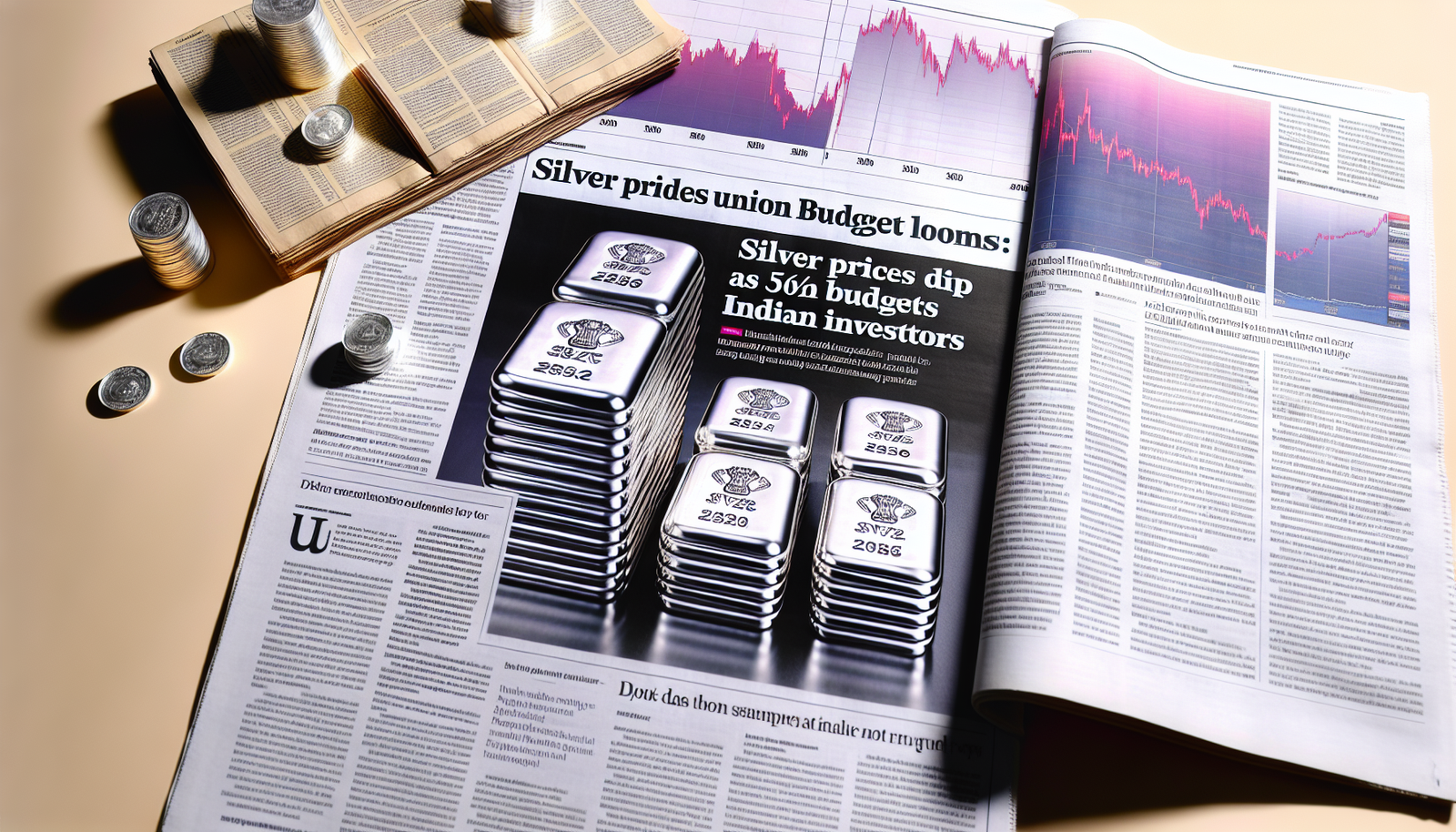
Silver prices dip 6% as Union Budget 2026 looms: Insights for Indian investors
In commodity markets, precious metals frequently react to a mix of domestic policy developments and global macro signals. The first day of February 2026 brought a classic setup: silver prices in India started the month on a softer note, slipping around 6% to Rs 2,74,410 per kilogram as traders positioned themselves ahead of the Union Budget 2026. This kind of move is not unusual when traders anticipate policy tweaks, changes in import duties, or shifts in macro conditions that could influence demand and supply dynamics for precious metals.
What drove the drop in silver prices on February 1, 2026?
While the exact order book for a single trading day can be influenced by a constellation of factors, several considerations typically play into a pre-budget sell-off in silver:
- Pre-budget positioning: Traders often take profits or reduce exposure ahead of a major policy event. If the market has priced in optimistic expectations for lower duties or favorable reforms for manufacturers and consumers, some investors may book gains to lock in profits before any surprises unfold.
- Global macro signals: Silver is a双- edged asset sensitive to dollar movements, yields, and risk sentiment. A strengthening U.S. dollar or a shift in global risk appetite can exert downward pressure on non-yielding assets like silver even as gold sometimes behaves differently.
- Industrial and jewelry demand expectations: Silver’s price is not just about store-of-value demand; industrial applications and consumer demand (jewellery, electronics) can sway prices. If buyers expect softer demand around budget announcements, prices may wobble on an intraday basis.
- Technical factors: Charts, short-term momentum, and option activity around key strike prices can lead to rapid moves in the near term, especially when liquidity is thinner around holidays or weekends.
The context: Union Budget 2026 and its potential impact on precious metals
The Union Budget is a focal point for the Indian economy. Investors watch for hints about:
- Import duties on precious metals and raw materials used in jewellery and electronics.
- Export incentives or constraints that could affect domestic production costs.
- Taxation changes on investment products, including exchange-traded funds (ETFs) or other vehicles that provide exposure to silver.
- Incentives to spur consumer demand, which, paradoxically, can also influence sentiment for both gold and silver as safe-haven or diversification assets.
While gold has historically hogged the limelight during budget cycles, silver often mirrors broader themes in the monetary and fiscal stance, including inflation trajectory, currency stability, and the pace of infrastructure spending that could affect industrial demand for silver in India.
What does a lower start mean for buyers and investors?
A 6% drop at the open can have different implications depending on your exposure and time horizon:
- For physical buyers: A softer price can prompt more buying interest from jewellery makers or end customers looking to lock in lower raw material costs. However, the margins in the retail jewellery segment also depend on making charges and local VAT/GST treatments, which are separate from the metal price itself.
- For traders and speculators: A dip can present a buying opportunity if the overall macro setup remains constructive. Traders should monitor intraday price levels, support zones, and the non-fundamental drivers that could reverse the trend after the budget event.
- For silver ETFs and futures: A lower open could affect open interest and roll costs. If the budget promises a more favorable environment for manufacturing and exports, it could support prices in the following sessions, especially if global cues stay supportive.
How silver prices interact with other precious metals
Silver is often viewed in relation to gold and other precious metals. While gold is typically a safer haven in times of macro uncertainty, silver has a dual nature as both an investment asset and a fundamental industrial metal. The February 2026 session highlighted that even with a fall in silver, gold prices can diverge if risk sentiment improves or if inflation expectations evolve differently for each metal.
Analysts frequently compare silver’s price action to the U.S. dollar index, real yields, and global geopolitical developments. When the dollar strengthens or U.S. yields rise, precious metals that do not offer yields—like silver—tend to come under pressure, at least in the short term. Conversely, if expectations of inflation pick up or if supply constraints tighten, prices can rebound quickly as investors search for hedges.
What to watch in the Budget 2026 day and beyond
While the immediate reaction to the budget is to gauge which direction metal prices will take in the short run, longer-term drivers matter too:
- Industrial demand in India: Factories and electronics manufacturing can influence silver consumption in India, from solar panels to coatings and catalysts. A budget that supports manufacturing could be silver-positive in the medium term.
- Import duty regime: Any changes to tariffs or import norms on silver or the inputs used to refine it will affect landed cost for Indian players, potentially shifting price dynamics at the consumer level.
- Duty rationalization for jewellery: If the budget moves toward simplifying or moderating duties on finished jewellery, the consumer demand cycle could respond positively, supporting prices after a period of volatility.
- Inflation and currency stability: Silver, like gold, can serve as a hedge. A consistent inflation trajectory and a stable rupee can soothe volatility, while a sharp correction or spike can create opportunities for hedgers and risk-takers alike.
Investment options for exposure to silver in India
Investors looking to gain exposure to silver have several routes, each with its own risk-reward profile and cost structure:
- Physical silver: Coins and bars remain a popular channel for investors seeking direct ownership. The costs include making charges, lifetime value considerations, storage, and security. For jewelry buyers, the craftsmanship and design often determine the final cost beyond the metal price.
- Silver ETFs: Exchange-traded funds provide exposure to silver without the hassles of storage. In India, several fund houses offer silver ETFs, allowing investors to buy and sell units on a stock exchange. These instruments track the spot price with tracking error, expense ratios, and liquidity considerations to weigh.
- Silver futures: For traders who want to hedge or speculate, silver futures on major exchanges can offer leverage and liquidity. It’s important to understand margin requirements and the risks of significant drawdowns in short timeframes.
- Mining stocks and related instruments: Some investors prefer indirect exposure via mining companies, which can offer correlated but not exact moves with the metal price.
Practical tips for navigating silver in the Budget 2026 milieu
If you’re thinking about acting on today’s price action or preparing for the budget season ahead, here are practical steps that can help:
- Set price triggers: Define entry and exit levels based on technical support/resistance, rather than reacting to headlines alone. Use a risk-managed approach with stop losses or predefined exit points.
- Monitor global cues: Silver prices are sensitive to the dollar, US yields, and global risk appetite. Keep an eye on major macro events beyond the budget, such as inflation prints or major policy statements in the United States and Europe.
- Consider your time horizon: If you’re a long-term investor, short-term dips may be viewed as opportunities to accumulate at favorable levels. If you’re a trader, liquidity and spreads may govern your strategy more than fundamental news.
- Factor in taxes and costs: For physical silver, account for making charges, storage, and GST. For ETFs and futures, consider expense ratios and margin costs respectively.
- Stay diversified: Don’t overweight one asset class. Silver can serve as a diversification tool within a broader portfolio that includes equities, bonds, and other commodities depending on your risk tolerance.
FAQs: Silver in India around Budget time
Q1: Will silver prices rise after the budget is announced?
A: It depends on the policy mix and global cues. Budget news can trigger initial volatility as traders price in expected changes. A constructive budget for manufacturers and exporters may support industrial demand for silver, potentially lifting prices in the medium term.
Q2: Is now a good time to buy physical silver in India?
A: For long-term holders, dips can present buying opportunities. But consider making charges, storage costs, and the overall cost of ownership. For those seeking exposure without storage concerns, silver ETFs can be a more convenient route.
Q3: What should I watch on budget day?
A: Watch for any announcements on import duties, countervailing duties, and any policy measures aimed at boosting manufacturing and exports. Market reaction will hinge on how these measures influence inflation, currency stability, and industrial demand for silver.
Conclusion
The February 1 opening print for silver at Rs 2,74,410 per kilogram, down about 6%, reflects a market bracing for the Union Budget 2026 and the broader macro backdrop. While a one-day move provides a snapshot of sentiment, it’s the longer arc of policy implementation, currency trends, and global economic signals that will determine the trajectory of silver over the coming weeks and months.
For investors, the current softness could be a reminder to calibrate exposure, review cost structures, and align positions with time horizons. Whether you’re a skeptic or a believer in the metal’s hedging capabilities, a budget-driven environment represents both risk and opportunity. Stay tuned to reliable market updates, and consider subscribing to price alerts or following reputable financial news outlets to keep your strategy aligned with evolving conditions.
Note: The information above references the reported opening price on February 1, 2026, and general market dynamics surrounding the Union Budget. For the latest price action, please refer to trusted market data feeds and the linked source: Moneycontrol.