Understanding the 2026 Partial Federal Government Shutdown: Causes, Impacts, and What Comes Next
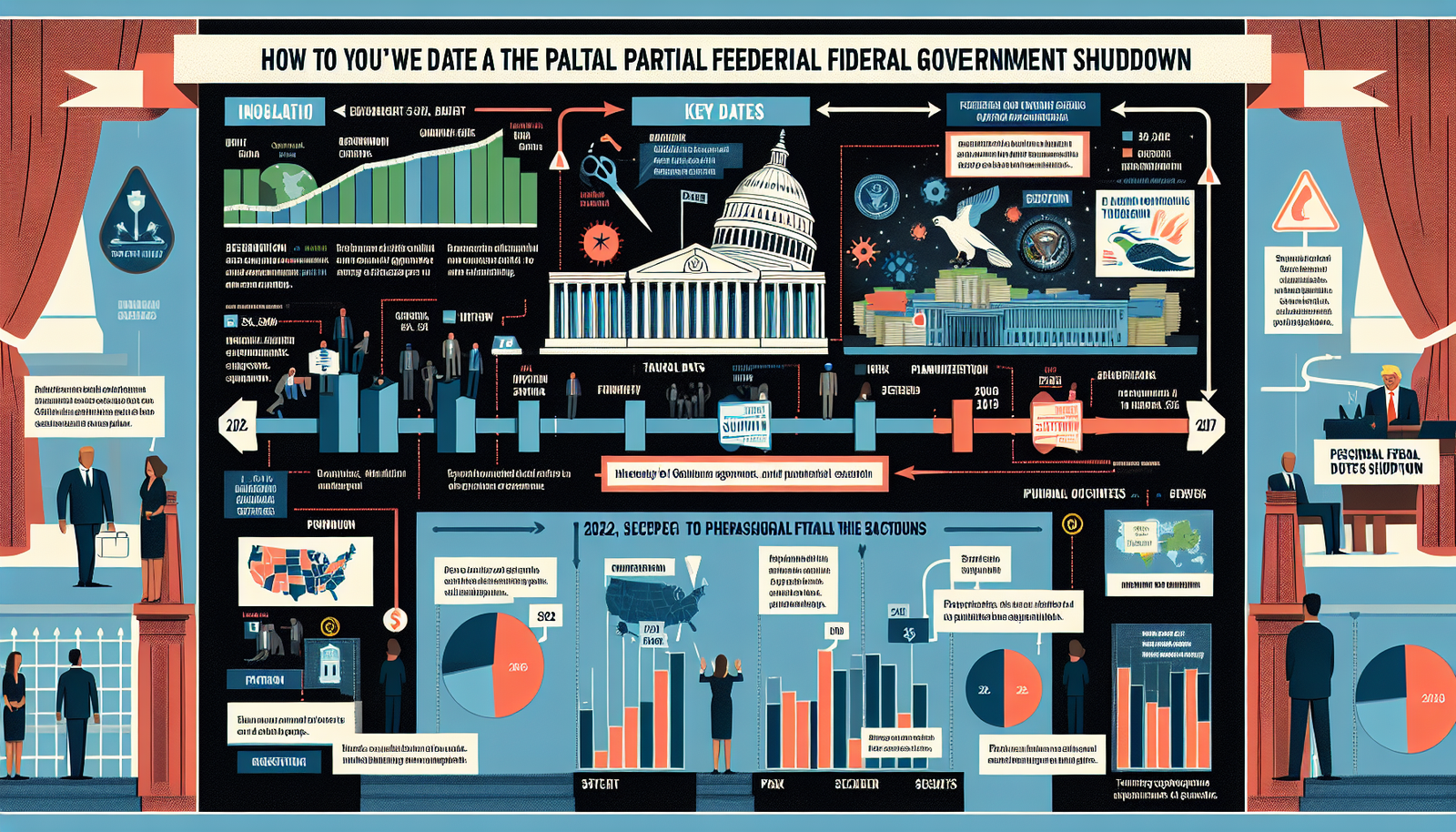
The United States federal government entered a partial shutdown on January 31, 2026, after Congress failed to pass the appropriations for the 2026 fiscal year. In a shutdown of this kind, most nonessential functions pause while essential services continue to operate. The situation unfolds quickly, and the consequences ripple through government operations, the economy, and people who rely on federal programs. This post explains what a partial shutdown is, why it happens, what parts of the government are affected, and what to expect in the days and weeks ahead.
What is a partial government shutdown?
A partial government shutdown occurs when funding for discretionary federal programs expires and Congress has not enacted a new appropriations bill or a continuing resolution (CR) to keep agencies funded. In practice, many agencies furlough a portion of their workforce and suspend or limit nonessential operations. However, unlike a full shutdown where most activities shut down, a partial shutdown typically preserves essential services—those tied to public safety, national security, and critical infrastructure—while other functions slow or stop. The exact mix of operations that continue versus pause depends on agency budgets, statutory obligations, and the practical realities of continuing essential work.
Why this happened in 2026
Shutdowns reflect political contention over how to fund the government. In 2026, the failure to reach an agreement on appropriations for the new fiscal year meant lawmakers could not pass a funding package or overarching continuing resolution. Policy priorities, negotiations over the size and composition of funding, and disagreements over riders or policy changes all contribute to the difficulty of reaching a bipartisan compromise. The hinge point is often a race against time, as funding exhaustion grows closer and the calendar pushes Congress to resolve differences or default to a temporary stopgap. While the specific dynamics vary from year to year, the mechanism is familiar: when there is no approved bill to authorize government spending, the federal government cannot legally disburse funds for discretionary programs, and operations begin to wind down.
What parts of the government are affected?
In a partial shutdown, the impact is uneven across agencies and programs. Common consequences include:
- Furloughs for a large share of nonessential federal employees
- Suspension or delay of grant, loan, and contract processing
- Temporary closure or restricted access to some facilities, museums, and national parks
- Delays in the processing of certain visas, passports, and other government services
- Disruptions to data releases, regulatory reviews, and scientific grant programs
Crucially, essential operations—such as national security, border protection, air traffic control, emergency response, and other functions necessary to protect life and safety—continue to operate, though they may run with reduced staff or delayed schedules. Mandatory spending programs (for example, Social Security, Medicare, and certain veteran benefits) generally continue to provide payments, but beneficiaries may see processing delays and service interruptions for some inquiries or routine outreach.
Economic and market implications
Shutdowns carry tangible economic costs and can unsettle financial markets. The interruptions to government transactions—payroll for contractors, grant and loan disbursements, regulatory approvals, and delayed federal procurement—can ripple through the economy. Businesses that rely on federal contracts face cash-flow pressures when reimbursements are delayed or new awards are paused. Universities, research institutions, and public health programs may see slowdowns in grant awards, which can push back important scientific and health outcomes. Consumers can feel the effects through delayed federal services, changes in travel plans, or slower processing of benefits and permits.
Historical shutdowns have shown that the costs extend beyond the immediate pause in government activity. Uncertainty can dampen business investment and hiring decisions, and delayed government data releases can affect financial markets and policy planning. The scale of impact depends on the duration of the shutdown, which is driven by how quickly Congress can reach an agreement on funding and whether a stopgap measure is adopted to resume operations.
What this means for individuals and families
The daily lives of federal workers, contractors, students, travelers, and beneficiaries of federal programs can be affected in several ways during a partial shutdown:
- Furloughed federal employees may face income disruption and must manage their finances with uncertainty about back pay or reinstatement timelines.
- Contractors who rely on federal funding may experience payment delays, which can affect small businesses and project timelines.
- Applicants awaiting visas, passport renewals, or regulatory approvals may experience longer wait times and service delays.
- Public access to national parks, museums, and cultural sites may be restricted or limited, affecting tourism and local economies near those sites.
- Consumers who depend on government-backed programs or information services may encounter slower response times and cancellations or changes to program schedules.
Even when payments for mandatory programs continue, beneficiaries can experience occasional delays in routine inquiries, benefit updates, and administrative processing. The human impact—stress for workers, uncertainty for families, and disrupted operations for businesses—often shapes the political and public response more than headline numbers alone.
The political dynamics and what comes next
The path out of a shutdown typically involves a negotiated agreement in Congress followed by the passage of a funding measure, either as a continuing resolution or an omnibus appropriations bill. The quickest route to reopening is often a CR that sets funding at current or agreed-upon levels for a set period, buying time for more comprehensive negotiations. In some cases, this is followed by a larger, more comprehensive package to cover the remainder of the fiscal year. The political stakes include balancing competing priorities, addressing policy riders, and negotiating fiscal targets across different committees and party lines.
Observers should watch for:
- Negotiations over a short-term continuing resolution versus a longer-term omnibus bill
- Key votes in the House and Senate that signal the trajectory of funding debates
- Public statements from the White House, congressional leadership, and budget committees
How to stay informed and prepare
During a shutdown, reliable, up-to-date information matters more than ever. Consider these practical steps to stay informed and prepared:
- Follow official sources for agency notices and updates (for example, the website or social media channels of the agency you interact with most).
- Check local and national news outlets for concise briefings and official statements.
- If you rely on benefits or services, sign up for alerts and check processing times regularly on agency portals.
- Budget and financial planning: build a contingency plan if funding remains uncertain, especially for federal employees, contractors, and small businesses tied to government work.
- Be cautious about rumors and unverified claims on social media; verify information with official channels before acting on it.
Historical context and lessons learned
Federal shutdowns are not new in American history. Past episodes—most notably the 1995-1996 shutdown, the 2013 shutdown, and the 2018-2019 shutdown—offer a ledger of what tends to occur and how negotiators respond. Key takeaways include the following: shutdowns cause abrupt disruption in discretionary programs, nonessential federal workers are furloughed, and the economy bears measurable costs, especially if the stalemate lasts longer than a few days. Lessons from prior episodes often inform negotiations around budget caps, the use of continuing resolutions, and the importance of preserving essential operations while safeguarding the functions people rely on daily. While every shutdown has its unique political contours, the mechanics—funding lapse, nonessential pause, and the push for a prompt resolution—remain consistent threads.
What to watch in the days ahead
In the immediate term, analysts and policymakers will look for signals about how quickly a funding agreement could be reached. Watch for:
- Announcements about a proposed continuing resolution or omnibus funding bill
- Votes in Congress indicating the willingness to advance a funding package
- Updates from agency leadership on service levels, furlough status, and backlogs
- Economic indicators and market reactions to the evolving funding situation
A practical note for readers
Whether you work for the federal government, rely on federal programs, or simply want to understand the situation, staying calm and informed is essential. Use trusted sources, plan for possible delays, and recognize that the situation can change rapidly as negotiations unfold. If you have specific questions about a service or benefit, contact the relevant agency directly or check its official website for the latest guidance.
Conclusion
A partial shutdown is a sign of political gridlock, not a failure of the public to access government services. It serves as a reminder of why timely appropriations matter: without them, essential public safety functions continue, but many programs, payrolls, and grant processes slow to a crawl. The path forward depends on bipartisan negotiations and the willingness to bridge policy differences with a funding package that protects core functions while addressing congressional priorities. For anyone watching the 2026 situation, the core message is straightforward: stay informed, prepare for delays, and follow official guidance as lawmakers work toward a resolution that reopens the full apparatus of the federal government as quickly as possible.