Partial US Government Shutdown 2026: What It Means, Why It Happened, and What Comes Next
An in-depth look at the January 2026 budget crisis, its immediate effects, and the road ahead for lawmakers and the American public.
Overview
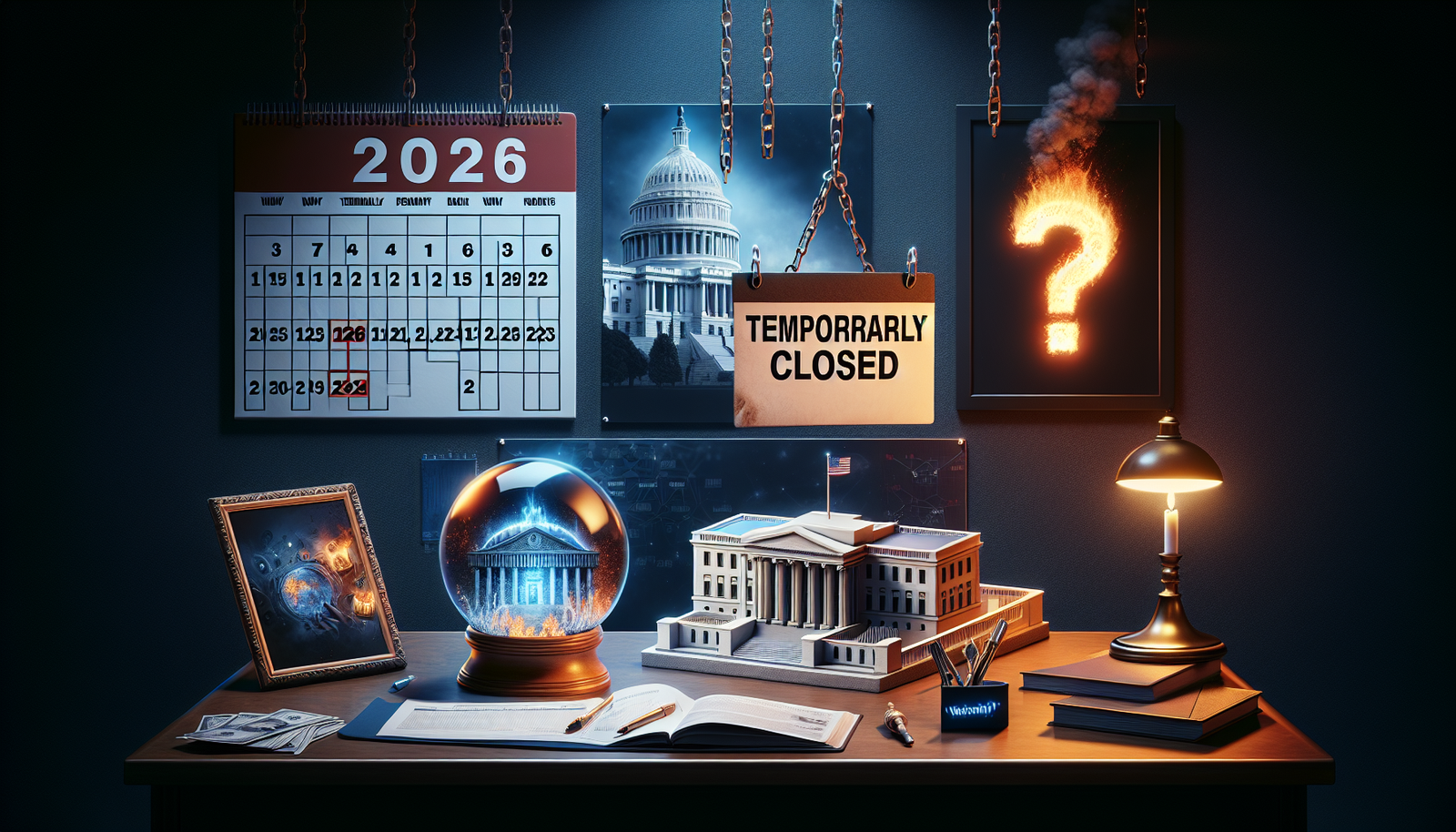
Late on January 30, 2026, lawmakers failed to pass a federal funding package for the 2026 fiscal year before the midnight deadline. The result is a partial United States government shutdown, the first of its kind in the new year and a stark reminder of how congressional gridlock can ripple through public services, federal workers, and the wider economy. While residents may notice fewer in-person services, the impact is not uniform across all departments. Some agencies retain funding and continue operations, while others enter temporary shutdown status as funds run dry.
Why the Budget Deadline Matters
The federal government runs on annual appropriations bills. Every year, Congress must pass a dozen or more funding measures to authorize spending through the next fiscal year. When those bills aren’t enacted by the start of the new fiscal year, lawmakers often pass a stopgap funding measure known as a continuing resolution (CR) to keep essential government activities funded while negotiations continue. If an agreement is not reached, a shutdown can occur. In 2026, the situation unfolded after partisan disagreements over priorities and policy riders, slowing the approval of a long-term budget and delaying a CR.
What a Partial Shutdown Typically Involves
A partial shutdown means certain federal agencies and programs operate with funding gaps while others maintain funding. In practice, this can look like:
- Furloughs for nonessential employees: A significant number of federal workers may be placed on temporary unpaid leave, though essential operations (national security, public safety, health, and certain administrative functions) generally continue with limited disruption.
- Continuing services in critical areas: National security, border enforcement, disaster response, and essential health services tend to be prioritized and kept running.
- Shutdown of nonessential services: Passport processing backlogs, certain visa and federal permit processing, museum operations, and non-urgent administrative tasks may slow or pause.
- Contractor and grant delays: Federally funded projects and grant disbursements may face delays, affecting research, small businesses, and local programs that rely on federal money.
The precise scope depends on which agencies have funding through the CR or appropriations and how quickly Congress enacts a remedy. In the past, the government has navigated partial shutdowns through a mix of continued funding for essential functions and temporary pauses in discretionary activities.
Immediate Impacts on Americans
Even a partial shutdown can touch everyday life in several ways. Some of the most common effects include:
- Federal employees: Tens of thousands may face furloughs or modified work schedules, with some receiving back pay if a funding bill is later enacted.
- Public services and tourism: National parks, monuments, and certain federal museums may close or reduce operations, affecting tourism and local economies around those sites.
- Administrative delays: Processing times for visas, passports, and federal benefits can stretch, leading to longer wait times for individuals and businesses planning travel or relocation.
- Contractors and grantees: Payment timing for government contracts and research grants can stall, impacting small businesses and research institutions.
- Communities and safety: Disaster response coordination, environmental monitoring, and other critical services may experience temporary slowdowns in the absence of full funding.
Broader Economic and Daily-Life Implications
Beyond the immediate offices and agencies, a shutdown can cast a shadow over the broader economy. Markets often react to the uncertainty surrounding funding and policy outcomes, while consumer confidence can waver as individuals worry about job security and public services. Government contractors and small businesses that rely on federal funding may face cash-flow challenges, which can ripple through local economies. While some sectors may experience a mild slowdown, others might remain relatively insulated if essential services continue uninterrupted.
Historically, the economic impact of a shutdown depends on its duration, the extent of funding gaps, and the speed with which Congress resolves the crisis. Short-lived interruptions can be absorbed with limited long-term harm, especially if financial markets stabilize quickly and if a resumption of funding is followed by back-pay and robust legislative action. Longer stoppages tend to compound economic strain, especially for small service providers and regions heavily reliant on federal spending.
What Happens Next?
The path forward typically includes intense negotiations in Congress, often with pressure from the public and various interest groups. Potential routes include:
- Passage of a continuing resolution: A CR that funds the government at current levels for a set period while negotiations continue.
- New budget bills: A broader approps package addressing spending levels and policy priorities, possibly with rider agreements.
- Temporary extensions: Short-term extensions to prevent further disruption while final negotiations continue.
Until a funding measure is enacted, agencies will operate under funding constraints and the public should expect continued updates from federal agencies about service availability and deadlines.
Historical Context
Shutdowns are not new in American politics, though each one has its unique political landscape. Notable past episodes include the 2013 period when the federal government operated under limited funding for several weeks, and the 2018-2019 shutdown that stretched for 35 days and affected hundreds of thousands of federal employees. Lessons from those episodes emphasize that resolution often hinges on compromise, clear legislative language, and a commitment to minimizing harm to the public. While the 2026 situation shares some characteristics with earlier episodes, the specifics—budget figures, policy riders, and political dynamics—will shape the duration and the terms of any final resolution.
How to Stay Informed
During a shutdown, information can change quickly. Consider these steps to stay informed and plan accordingly:
- Follow official sources: agency websites, the Library of Congress, and the House and Senate clerks for updates on funding and service status.
- Rely on credible media outlets for analysis and context, and watch for official announcements about back-pay and potential retroactive provisions.
- Plan for potential delays in travel, federal benefits processing, and contract payments if you or your business depends on federal funding.
- Stay prepared for rapid changes: have a financial plan in case of back-pay delays or extended furloughs.
Conclusion
A partial government shutdown in 2026 underscores the fragility of the budget process and the real-world consequences of political stalemate. While essential functions typically remain funded and operational, the disruption to discretionary programs, federal employees, and contracting partners can be meaningful in both short and longer terms. The immediate priority for many Americans is to understand how the shutdown affects their daily lives, the status of federal services they rely on, and what to expect as negotiations continue. As developments unfold, keeping an eye on official statements and trusted news analysis will be crucial for staying ahead of changing circumstances.
Source
The information referenced here aligns with reports covering the January 30, 2026 funding deadline. For the latest details, see Dynamite News.