Understanding the 2026 U.S. Government Shutdown: Impacts, Causes, and What Comes Next
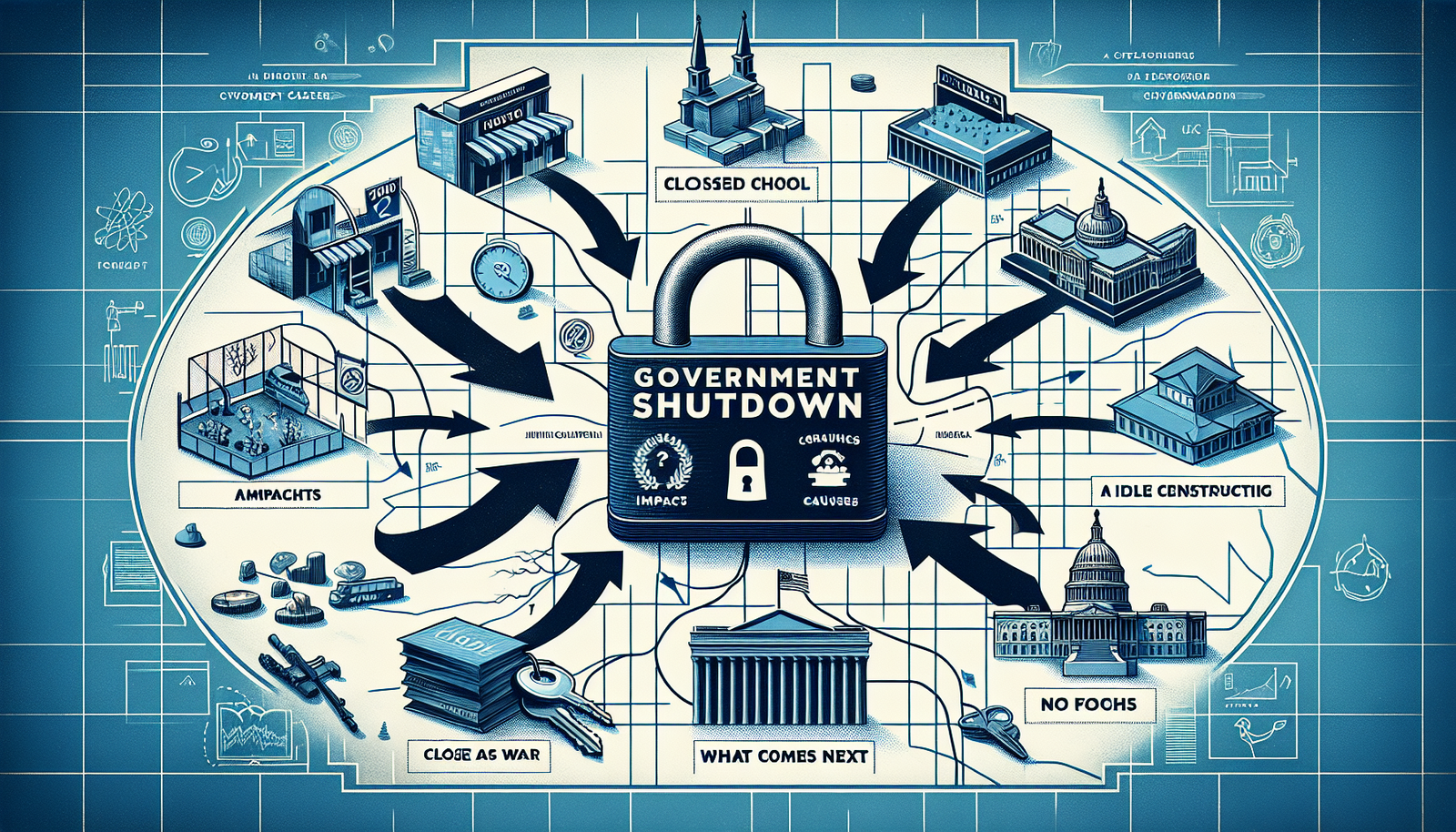
As of January 31, 2026, reports indicate a partial government shutdown following Congress’s failure to pass appropriations for the 2026 fiscal year. This post explains what that means, who is affected, and what to expect in the days and weeks ahead.
What is a government shutdown?
A government shutdown occurs when Congress cannot pass, and the President cannot sign, funding legislation that covers discretionary government programs and operations for the new fiscal year. In the United States, most federal programs are funded through annual appropriations bills. When those bills lapse, many federal agencies must pause nonessential operations, furlough nonessential workers, and limit services to the public. Different shutdowns look different, depending on the specific funding gaps, the presence of continuing resolutions, and emergency authorities that agencies maintain to keep essential operations running.
Why might a shutdown happen in 2026?
While each shutdown has its own political context, they generally arise from disagreements over spending levels, policy riders, or the length and terms of a continuing resolution. In the 2026 scenario cited here, Congress did not pass appropriations legislation for the 2026 fiscal year by the start of the fiscal year, forcing a lapse in funding for many discretionary accounts. A shutdown can reflect partisan standoffs, competing priorities, or unresolved policy disputes that make it difficult to agree on a final set of spending bills. Until a resolution emerges—often in the form of a stopgap measure or an omnibus bill—funding remains uncertain for many programs and services.
It is also common for lawmakers to negotiate around the funding gaps, seeking to protect essential services and avoid broader disruptions. The longer a stalemate lasts, the more acute the immediate impacts become for federal workers, contractors, and the public relying on government services.
What gets funded and what doesn’t
In a typical discretionary shutdown, agencies fund only essential operations and defense-related activities that are legally required to continue. What this means in practice:
- Essential services continue: National security, border operations, law enforcement, emergency response, air traffic control, and medical care for detainees or incarcerated individuals often proceed with minimal disruption.
- Nonessential functions halt: Many administrative services, museum operations, non-urgent research, and routine regulatory activities pause until funding is restored.
- Furloughs: A large number of federal employees are placed on paid or unpaid leave (depends on specific agency guidance) while nonessential work is suspended.
- Contractors and grants: Some contracts and grant payments may be paused, delayed, or subject to revised terms as agency funding hooks tighten.
- Public programs: Services such as passport processing, visa processing, and partial administration of benefits may experience delays or interruptions, though some programs with mandatory funding (e.g., Social Security, Medicare) usually continue, subject to administrative constraints.
Who is affected?
A shutdown affects a broad spectrum of people, including:
- Federal employees: Furloughed workers or those required to work without pay, depending on agency roles, face income disruption and uncertainty about back pay.
- Contractors and grantees: Businesses and nonprofits that depend on federal funding may see delayed reimbursements, paused projects, and uncertainty about ongoing work.
- State and local governments and recipients: Some federal programs flow through states or municipalities and can be impacted by delayed dollars or tighter administration.
- Members of the public: Individuals relying on government services—such as passport processing, visas, student loan servicing, and certain health and safety programs—may encounter delays or service suspensions.
Economic and social implications
Shut downs ripple beyond the federal agencies directly affected. The potential consequences include:
- Economic impact: Short-term drag on GDP, reduced consumer confidence, and potential market volatility as investors react to funding uncertainty and potential delays in government contracts.
- Impact on federal workers and contractors: Delays in pay for furloughed workers and paused payments to contractors can affect household finances and business operations, with spillover effects on local economies where federal employees reside.
- Public services: Delays in processing benefits, permits, or regulatory approvals can slow economic activity and affect individuals planning major life events (education, housing, travel).
- Public safety and research: Ongoing safety operations are maintained, but long-running research programs, scientific funding, and regulatory reviews may experience delays that affect innovation and long-term projects.
It’s important to note that some programs are funded through mandatory spending or trust funds and may be less directly affected in the short term. For example, Social Security and Medicare largely rely on entitlement funding and continue to operate, though systems and customer service can see strains during a shutdown due to limited staff processing requests.
Timeline and how shutdowns typically unfold
Shutdowns are not instantaneous; they unfold as funding gaps widen and agency leaders implement plans. A typical sequence might include:
- Day 0–3: Funding lapses; agencies determine essential vs. nonessential activities; some employees start furloughs; public-facing services begin to pause or slow down.
- Days to weeks: Public-facing services may experience more noticeable delays; contractors and grant recipients receive notice of paused funds; schools and universities may feel indirect effects if federal programs intersect with projects.
- Resolution: Lawmakers negotiate a funding agreement, which may come as a short-term continuing resolution or a full-year appropriations bill. Funding is restored and agencies begin operations, but there can be backlogs that take time to clear.
Past shutdowns show that the duration and severity depend on political dynamics, the willingness to compromise, and whether additional funding sources or emergency authorities are invoked. The exact sequence in January 2026 will hinge on the negotiations in Congress and the President’s response.
What happens next: ending a shutdown and avoiding repeats
Ending a shutdown typically requires one of the following:
- Passage of appropriations bills: Congress enacts a full-year set of funding measures for all discretionary programs, signed by the President.
- Continuing resolution (CR): A temporary funding bill that extends prior-year funding levels to avert further disruption while negotiations continue.
- Omnibus or mini-omnibus bills: Combining multiple funding bills into a single package to complete the year’s funding framework.
While a shutdown ends when funding is enacted, the broader question of long-term stability depends on negotiations around spending priorities, policy riders, and the debt ceiling. Repeated cycles of funding gaps can undermine market confidence and complicate planning for individuals, businesses, and government programs.
How to stay informed and prepare
During a shutdown, information changes quickly. Rely on official sources for the most accurate, up-to-date guidance. Consider these steps:
- Monitor official channels: OMB (Office of Management and Budget), the White House, Congressional leadership, and agency websites provide status updates on funding and staffing plans. Congressional websites (e.g., Congress.gov) are useful for tracking proposed bills and votes.
- Check for service alerts: If you rely on government services (passport processing, visa applications, grant programs, student aid), watch for notices about delays or scheduling changes.
- Plan financially: If you are a federal employee or contractor, review payroll guidance from your agency and prepare for possible pay delays. For businesses, assess cash flow and contingency plans for contracts and reimbursements tied to federal funding.
- Stay engaged with local representatives: In times of funding disputes, constituent communication can influence negotiation dynamics and prompt quicker resolutions.
Practical implications for individuals and communities
Several everyday scenarios may be affected by a 2026 shutdown. These examples illustrate the range of potential consequences without implying certainty about any single outcome:
- Travel and tourism: National parks, museums, and other federally operated attractions may close or operate with limited hours. This can impact vacation plans and local economies dependent on tourism-related revenue.
- Social programs and benefits: While many entitlements fund ongoing benefits, processing times for some applications or requests may slow, and applicants could experience delays in communications or eligibility determinations.
- Business and research funding: Grants and contracts tied to periodic funding cycles may experience processing delays. Universities and research institutions often rely on federal support for ongoing projects, which can be disrupted by interruptions in grant administration.
- Regulatory and compliance actions: Some permit reviews, audits, and regulatory approvals might slow down, affecting project timelines and planning for affected industries.
In many past shutdowns, the most immediate personal impact has been income disruption for furloughed workers and cash-flow strain on contractors. The broader effects on communities—especially those with higher concentrations of federal employees or federal contractors—can persist even after funding is restored, as backlogs are cleared and services ramp back up.
Key terms to know
Understanding the language around funding helps in following the news and participating in discussions:
- Appropriations bills: Legislation that provides the legal authority to spend money for specific government programs during a fiscal year.
- Discretionary spending: Funding that Congress appropriates each year, as opposed to mandatory spending like Social Security and Medicare.
- Continuing resolution (CR): A temporary funding measure that maintains existing funding levels when new appropriations are not yet enacted.
- Omnibus: A large bill that consolidates multiple appropriations measures into one document for rapid passage.
- Furlough: A temporary layoff of nonessential employees due to lack of funding.
Final thoughts
A partial government shutdown is a serious event with wide-ranging implications. While essential operations typically continue, the disruption touches the daily lives of federal employees, contractors, and the public in tangible ways—from delayed processing times to changes in public services and local economic activity. Understanding how funding gaps arise, what triggers a shutdown, and how it ends can help individuals, businesses, and communities plan and respond more effectively as negotiations unfold.
Note: The details above reflect the general mechanics of federal funding and the potential impacts of a 2026 shutdown. For the most current information, consult official government sources and reputable news outlets. The referenced situation is consistent with reports indicating that Congress had not yet enacted 2026 appropriations as of January 31, 2026; readers should verify the latest developments from primary sources.
For more context on how shutdowns have occurred in the past and how they were resolved, you can review historical summaries and current reporting at reputable outlets and encyclopedic resources such as Wikipedia’s overview of the 2026 shutdown.