Understanding the 2026 Partial U.S. Government Shutdown: Causes, Impacts, and What Comes Next
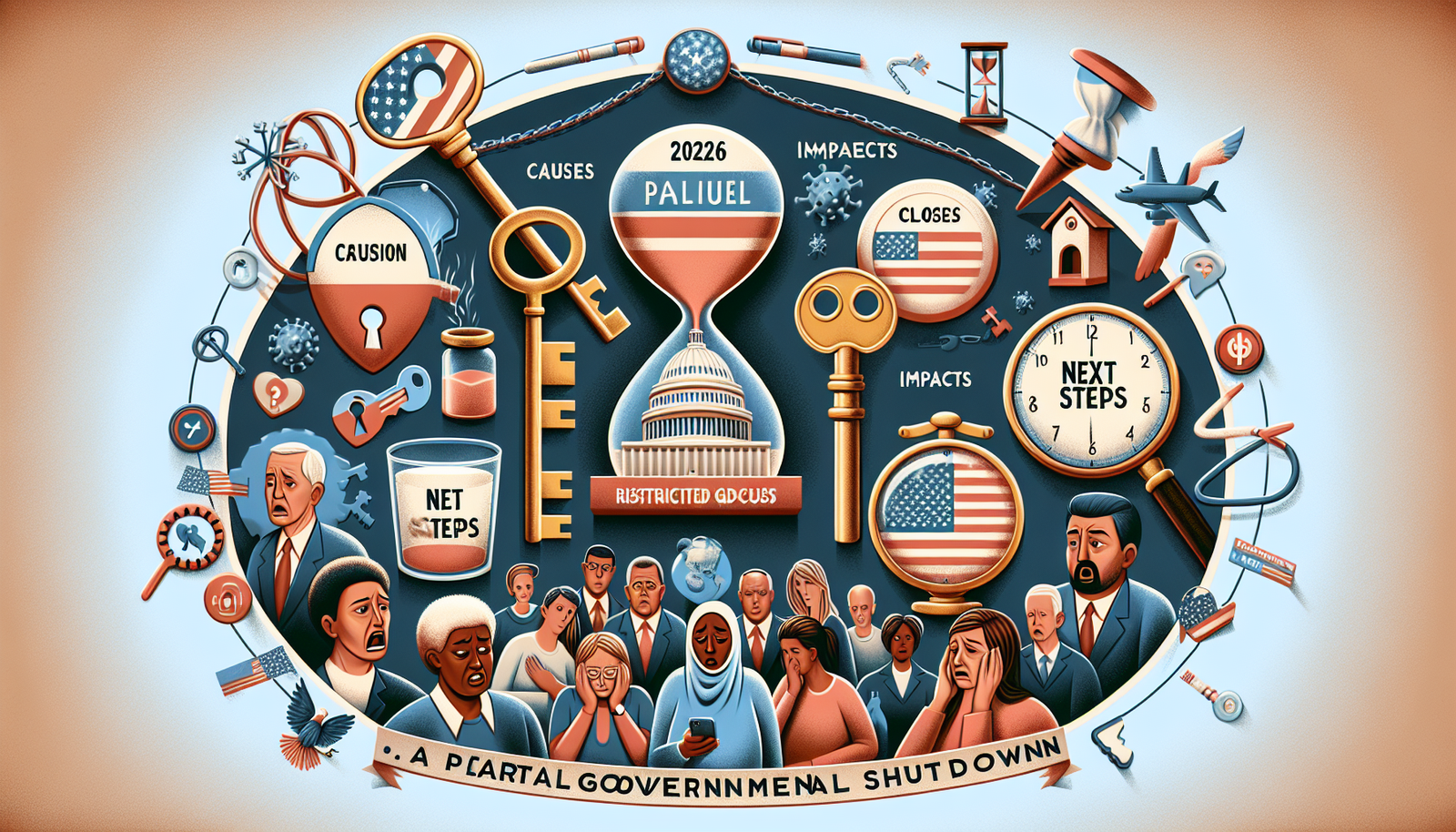
The United States government entered a partial shutdown on January 31, 2026, after Congress failed to pass a federal budget for the 2026 fiscal year. While the phrase “shutdown” conjures dramatic headlines, the real story unfolds in a web of policy choices, funding schedules, and everyday routines affected by a funding gap. This post explains what a partial shutdown means, who it touches, the likely economic and social consequences, and what may come next as lawmakers negotiate to complete the fiscal year budget and any accompanying policy riders.
What a partial government shutdown is, and how it happens
In the United States, most federal agencies operate on approved funding from Congress. When Congress fails to pass a final budget or a temporary funding bill (a continuing resolution) before the start of a new fiscal year, a funding gap can occur. A partial shutdown typically occurs when some agencies have funds already appropriated but others do not, or when a CR funds some parts of the government at existing levels while others run out of money. Essential operations—such as national security, public safety, and basic health services—often continue, while many nonessential services pause or scale back operations.
In practical terms, a partial shutdown means that certain agencies either run with minimal staffing or shut down entirely for nonessential functions. Federal employees in nonessential roles may be furloughed, while essential personnel are required to work without immediate pay. Nonprofit partnerships, scientific grants, and contract work funded by the federal government can also be disrupted, fiscal planning can stall, and public-facing programs may be temporarily closed or limited.
Who is affected?
The scope of a shutdown depends on which agencies remain funded. Although the exact mix can vary from one shutdown to another, some common patterns often emerge:
- Federal employees: Nonessential employees are typically furloughed. Essential personnel—such as those in national security, public safety, and health—continue to work, though their pay may be delayed until funding is restored.
- National parks and museums: Many sites may close or operate with limited services, affecting tourism and local economies that depend on visitors.
- Visa, passports, and immigration processing: Processing times often slow or stall for nonessential functions, impacting travelers and families planning trips or immigration steps.
- Grant programs and contracts: New grant awards can pause, ongoing grants may face reporting or payment delays, and federal contractors may experience furloughs or delayed payments.
- Regulatory and statistical agencies: Data collection, regulatory actions, and some inspections may slow down, affecting businesses and communities relying on timely information.
Economic and social ripple effects
A government shutdown of any scale sends shockwaves through the broader economy and everyday life. Some of the most common channels include:
- Consumer confidence and financial markets: Uncertainty can weigh on consumer sentiment, leading to slower spending and volatile trading in the short term.
- Public services and safety-net programs: Delays in processing Social Security, Medicare, and other benefits can affect households relying on predictable cash flows, particularly when benefits are paid on schedule from prior funding or automatic mechanisms.
- Airports, air traffic control, and infrastructure: Some safety inspections and services continue, but scheduling and administrative tasks may slow, potentially affecting delays or maintenance planning.
- Research, science, and education: Federal grants and programs that fund research or educational activities can stall, delaying results, collaborations, and student support.
- Small businesses and contractors: Firms relying on federal contracts or grant funding face cash-flow pressures, procurement delays, and uncertainty about payment timing.
Historical context: what past shutdowns have taught us
Shutdowns are not new in American politics, and lawmakers have faced funding gaps several times in the past. The 1995–1996, 2013, and 2018–2019 episodes each left a distinct imprint on public perception and policy negotiation. Key takeaways from those episodes include the following:
- Operational resilience varies by agency: Some agencies can compensate with limited staffing, while others cannot continue critical work without funding.
- Budget negotiations often hinge on broader policy fights: A shutdown frequently becomes part of a broader bargaining framework over policy riders, debt limits, or structural reforms.
- Public sentiment can influence outcomes: Widespread frustration with service delays and unpaid workers can pressure Congress to reach a resolution.
For the January 31, 2026 shutdown, observers will look to how Congress negotiates a remediation package, whether a short-term continuing resolution is adopted to reopen portions of the government, and what policy concessions accompany funding as negotiations continue.
What comes next: paths to resolution
Restoring full funding typically requires one of several paths. Which path is chosen often depends on political dynamics, public pressure, and fiscal priorities:
- Short-term continuing resolution (CR): Congress passes a temporary funding bill at current or revised levels to reopen the government while negotiations continue on a longer-term budget and policy provisions.
- Longer-term appropriations bill: A comprehensive budget agreement is reached, with funded programs restored and a schedule for future spending set.
- Policy riders and reforms: As part of the funding package, lawmakers attach policy changes related to spending, governance, or regulatory reforms.
- Debt ceiling interplay: Sometimes, shutdown dynamics intersect with debt-limit debates, adding complexity to the timeline and risk considerations for markets.
Regardless of the route, the objective is to minimize disruption while aligning funding with fiscal priorities. The speed and terms of a resolution can influence consumer confidence, business planning, and the cost of capital in the near term.
Advice for individuals and organizations during a shutdown
During any funding gap, preparedness and information access become the best tools. Here are practical steps to consider:
- Federal employees: Stay in touch with your agency’s official communications. If you are furloughed, understand pay timing, unemployment eligibility, and hardship resources. If you are working on essential functions, follow agency guidance on duties and pay timing.
- Businesses and contractors: Track contract awards, grant announcements, and procurement updates. Maintain cash reserves and communicate proactively with clients about possible delays.
- Travel and visa plans: Expect potential delays in visa processing, passport services, and related regulatory actions. If travel is time-sensitive, consider contingency plans informed by official agency notices.
- Public programs: Monitor the status of Social Security, Medicare, and other benefits. Some payments may be funded by existing authorities, while new or renewed payments could face administrative delays.
- Personal finance: Build a short-term plan for essential expenses, keep an emergency fund, and be cautious about relying on government services that could slow during a funding gap.
Public communication and media literacy
In periods of funding uncertainty, misinformation and partial truths can spread quickly. As a reader, prioritize information from reliable, official sources—federal agency websites, the White House, and credible news outlets with direct briefings and press releases. When sharing updates, avoid sensational claims and verify dates, agency statements, and any changes to service levels. A well-informed public can contribute to a faster, more effective resolution by reducing chaos and misunderstanding in the short term.
The broader implications for governance and fiscal policy
Shutdown episodes reveal both the fragility and resilience of government operations. They highlight the following structural realities:
- Budgetary discipline: Recurrent funding gaps can incentivize reform debates about budget cycles, long-term spending trajectories, and automatic funding mechanisms that reduce volatility.
- Policy prioritization: In negotiations, both sides must articulate clear priorities, as shutdowns force trade-offs between immediate services and long-run investments.
- Transition planning for agencies: The need for continuity plans becomes more evident, prompting agencies to refine their ability to scale operations up or down in response to funding shifts.
- Public accountability: Shutdowns can intensify scrutiny of how efficiently funds are used and how responsive government agencies are to citizens’ needs.
Conclusion: lessons and outlook
The January 31, 2026 partial shutdown underscores a fundamental truth about governance: timely funding is essential to maintain uninterrupted public services, protect workers, and support the economy. While the immediate focus is on reopening departments, the longer-term questions—about budgeting processes, fiscal priorities, and the thresholds for policy compromise—will continue to shape congressional debates for months or even years. For readers, staying informed through official channels, planning for potential delays, and supporting civil discourse that prioritizes public welfare are practical ways to navigate the uncertainty of budget fights.
As conversations progress, this post will be updated to reflect official budget actions, new policy decisions, and the path toward normal operations. If you have questions about how a shutdown could affect specific programs or local services in your area, consult your agency’s site or local government communications for the most current guidance.