2026 Partial Government Shutdown: What It Means for the U.S. and Why It Matters
Background note: This analysis discusses a hypothetical partial shutdown scenario triggered by a failure to pass FY 2026 appropriations. For context, see the overview of past shutdowns and ongoing budget debates, including sources such as the Wikipedia entry on the 2026 U.S. federal government shutdown: Wikipedia: 2026 United States federal government shutdown.
What a partial shutdown means
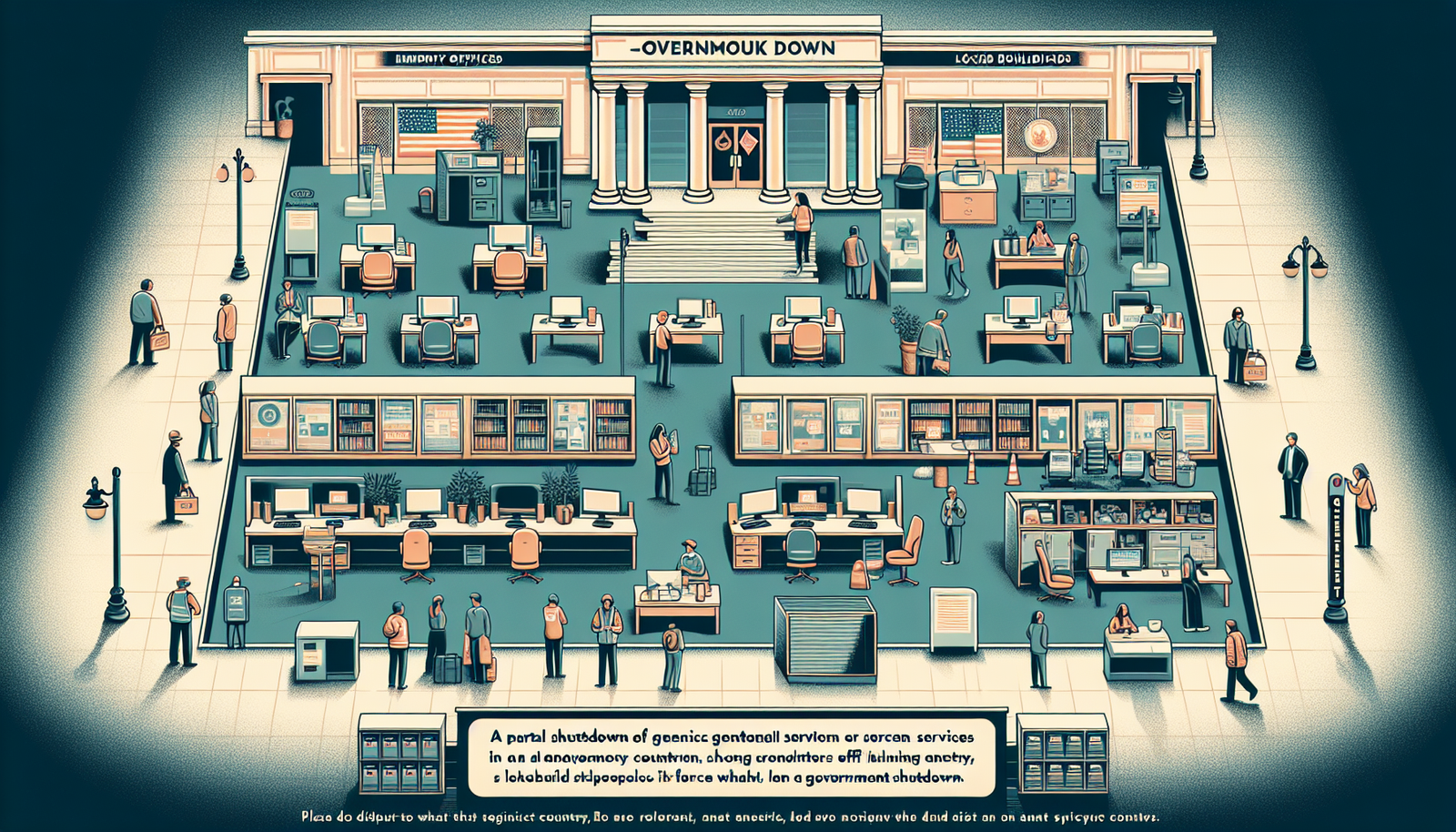
A partial government shutdown occurs when Congress cannot pass funding legislation (discretionary spending) for the new fiscal year and no continuing resolution (CR) is enacted to maintain current funding levels. In this scenario, nonessential government functions are temporarily halted while essential operations—those related to national security, public safety, emergency services, and some critical functions—continue to run at a reduced capacity. In practice, agencies decide which activities are essential and which can be furloughed, leading to a mix of ongoing responsibilities and paused programs.
Historical shutdowns show that the precise mix of services affected depends on policy decisions, court rulings, and agency management. The result is usually a period of uncertainty for federal workers, contractors, and the public as agencies issue status updates, furlough notices, and service advisories.
How funding gaps arise and what happens next
The federal budget process typically involves passage of 12 appropriations bills or a single CR that covers the entire fiscal year. If Congress cannot reach agreement before funding expires, the government enters a shutdown. The White House and Congress may negotiate a temporary CR to keep money flowing while a longer-term budget deal is hammered out. Absent a CR or appropriations bill, staffing and program operations tighten as agencies implement furloughs and reduce services.
- Discretionary programs (most largely funded by annual appropriations) are the first to feel the squeeze.
- Mandatory programs funded by permanent laws (like Social Security) generally continue, though some related services may experience processing delays if staff are reduced.
- Contractors and grantees may face delays in payments and awards, creating ripple effects through the economy and local communities.
What services and agencies are usually affected
The impact of a partial shutdown is uneven across the federal government. While essential operations stay online, many nonessential activities pause or operate with limited staff. Typical areas affected include:
- National parks, museums, monuments, and outdoor recreation facilities may close or restrict access.
- Processing times for some visa, passport, and permit applications can lengthen due to reduced staff in relevant agencies.
- Non-critical research grants, training programs, and discretionary grant programs may pause, delaying new projects and funding cycles.
- Nonessential personnel in many departments may be furloughed; essential personnel continue to work but often without pay until funding is restored.
- Contracting and procurement activities can slow, affecting businesses and communities that rely on federal work.
Important nuance: some agencies have broad responsibilities that require ongoing operations regardless of funding status. For example, public safety and national security activities generally continue, while some social programs operated under mandatory spending may see limited disruptions if new funding isn’t appropriated immediately for related initiatives.
Economic and regulatory implications
A shutdown, even partial, can ripple through the economy in multiple ways. Short-term disruptions can affect consumer and business confidence, disrupt federal contracting and small business loan processes, and delay regulatory actions or guidance that businesses rely on. The following are common channels through which a 2026 partial shutdown could influence the economy and markets:
- Delays in government data releases (employment, inflation, energy production, housing, etc.) can reduce visibility for investors and policymakers.
- Delays in processing government-backed loans, guarantees, and permits can slow entrepreneurship and small business activity.
- Contractors and federal employees facing furloughs may adjust spending, which can affect local economies and supply chains.
- Fundamental national-security operations continue, helping to stabilize certain risk factors, but the broader policy negotiations may create market uncertainty.
It is important to note that the magnitude of economic impact depends on the duration of the shutdown, the number of agencies affected, and the level of disruption to essential services. Short-lived shutdowns have historically produced modest macroeconomic effects, while prolonged episodes can generate measurable drag on growth and consumer sentiment.
What to expect for the workforce and contractors
Federal workers and contractors are often the most directly affected. The status of pay, benefits, and work duties can vary by agency and by the specifics of the funding gap. Typical scenarios include:
- Furloughs for nonessential personnel, with pay withheld until the funding gap is closed; some employees may be asked to work without pay under special authorization if their work is deemed essential.
- Contractor payments may be delayed, creating cash-flow challenges for small businesses and vendors that rely on federal work.
- Important safety and compliance roles usually continue, but some programs that rely on new funding or regulatory actions may slow down.
- Outreach, training, and grant administration may pause or scale back as staff time shifts to essential duties.
For federal employees, the experience depends on agency policies and the legislative outcome. Workers should monitor official updates from their human resources offices and be prepared for temporary changes in schedules, benefits, and pay cycles if the funding gap persists.
How the shutdown interacts with essential services
Even in a partial shutdown, the government must protect core national security, public safety, and emergency operations. As a result, a subset of services remains fully operational, including:
- Border security, federal law enforcement, and defense-related activities necessary to protect the country.
- Public health and safety programs that are funded and staffed to meet ongoing obligations.
- Disaster response and mitigation activities funded under mandatory or existing appropriations.
- Maintenance of critical infrastructure and essential regulatory oversight as resources permit.
Businesses and individuals relying on government services should prepare for slower processing times and plan accordingly for potential delays in regulatory actions, permits, and program approvals.
Historical context: lessons from previous shutdowns
Shutdowns are not new in U.S. fiscal history. The 2013-2014 shutdown, for example, lasted 16 days and disrupted many government services while leaving essential operations intact. The 2018-2019 episode culminated in a 35-day shutdown, the longest in U.S. history, with significant effects on federal workers, contractors, and services such as national parks and visa processing. Each episode offered lessons on budget timing, the leverage of political brinkmanship, and the real-world costs borne by workers and the economy.
Because each shutdown unfolds under different policy conditions, it is essential to monitor official budget updates and reputable analyses for the current impacts. The 2026 scenario, while still unfolding, is likely to follow familiar patterns: a temporary interruption in discretionary spending, a decision about continuing funding, and a negotiation path toward a longer-term budget agreement.
What politicians and the public can do
In a moment of fiscal standoffs, two pathways can help reduce harm: prompt action to fund essential operations and clear communication with the public. Practical steps include:
- For lawmakers: Work toward a clear, bipartisan agreement on a CR or comprehensive appropriations package, with a predictable funding horizon.
- For agencies: Maintain critical services, publish transparent guidance on furloughs and service changes, and minimize disruption to essential operations.
- For businesses and individuals: Track official agency alerts, gather up-to-date information on deadlines and service availability, and prepare for potential delays in approvals or payments.
- For contractors and grantees: Stay in touch with program managers and monitor funding notices to anticipate changes in reimbursements and awards.
FAQ: Common questions about a 2026 partial shutdown
- Will federal employees get paid during a shutdown?
- Typically, furloughed employees do not receive pay while funding is unavailable, but pay is usually retroactively disbursed once funding is restored. Some essential personnel may continue to work, often without pay until the funding gap is resolved.
- Which services will be affected first?
- Nonessential services tied to discretionary funding—such as certain museum operations, grant administration, and some visa/permit processing—are common early targets. Essential operations, like national security and emergency response, remain active.
- Will the stock market react to a shutdown?
- Markets react to uncertainty and policy risk. A shutdown can create short-term volatility as investors reassess growth prospects and policy timelines, especially if the stalemate heightens concerns about debt and fiscal sustainability.
- How long could a shutdown last?
- Duration depends on legislative action. Short disruptions may last days to a few weeks; longer stand-offs may stretch into months if budget talks stall or policy disagreements persist.
- What should I watch for next?
- Watch for the introduction or passage of a continuing resolution, budget bills, or executive guidance from key agencies about service changes and deadlines.